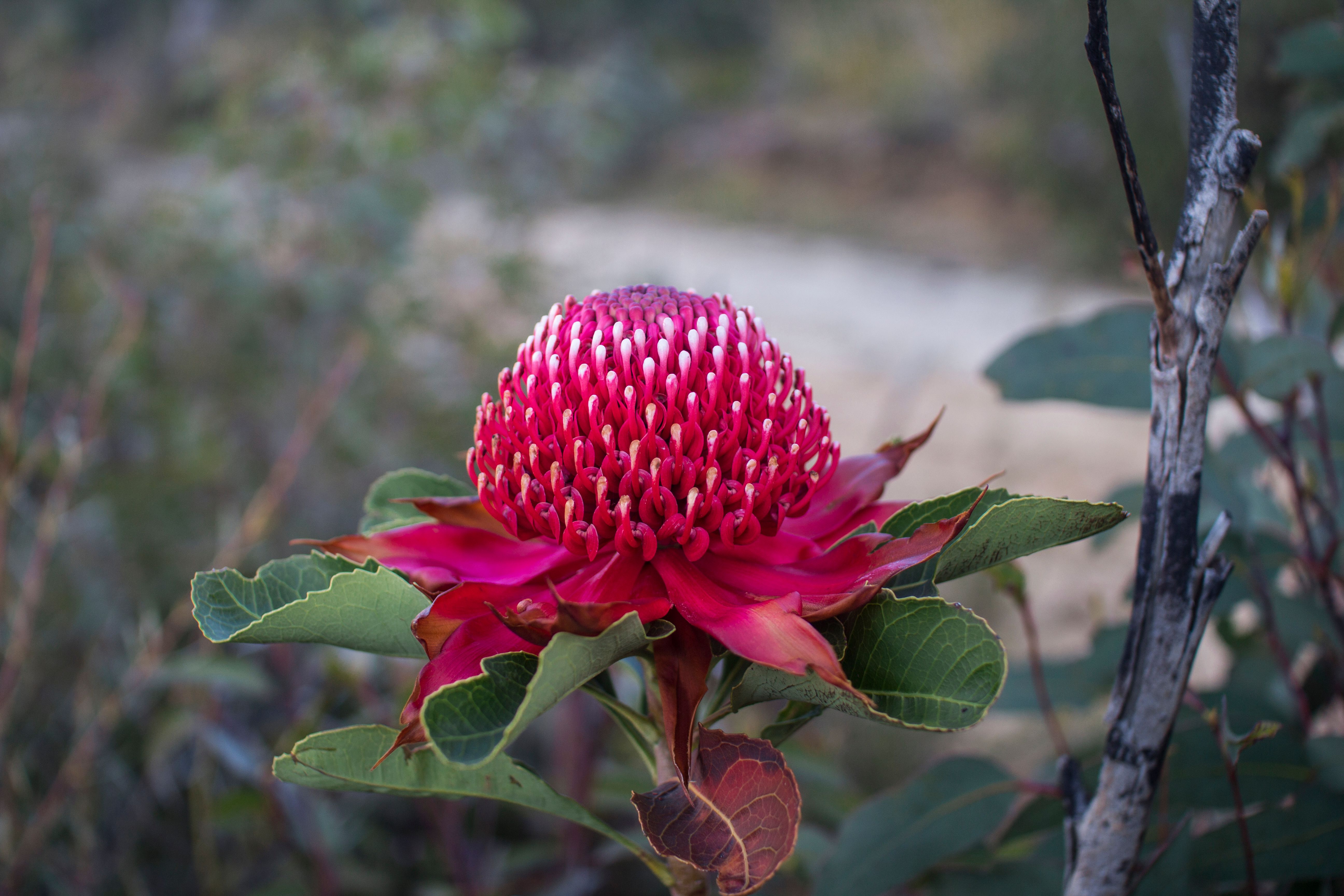
Australia, a land of diverse ecosystems and climates, is home to a wealth of native trees that contribute significantly to its unique landscapes. These trees, ranging from towering eucalyptus to the delicate wattles, play a crucial role in maintaining biodiversity and supporting wildlife. Understanding these native trees not only enriches one’s appreciation of Australia’s natural heritage but also aids in making informed decisions regarding landscaping and conservation efforts. This guide delves into the prominent species of Australian native trees, their ecological importance, and practical tips for their cultivation and care.
Understanding Australian Native Trees
Key Species and Their Characteristics
Australian native trees are as varied as the terrains they inhabit. Here are some of the key species:
- Eucalyptus: Known for their aromatic leaves and oil-rich nature, eucalyptus trees are iconic in Australian landscapes.
- Acacia (Wattle): These trees are celebrated for their vibrant yellow flowers and are pivotal in nitrogen fixation in soils.
- Melaleuca (Paperbark): Renowned for their papery bark, these trees are often found in wetland areas.
- Callistemon (Bottlebrush): Noted for their bright red, brush-like flowers, they attract a variety of pollinators.
Ecological Importance
Australian native trees play a vital role in sustaining ecosystems. They provide:
- Habitat: Native trees offer shelter and food for numerous wildlife species.
- Soil Stabilization: Their root systems prevent soil erosion, particularly in vulnerable landscapes.
- Climate Regulation: These trees contribute to carbon sequestration and regulate local climates.
For a more comprehensive understanding of these ecological benefits, find out more about this approach.
Cultivation and Care of Native Trees
Choosing the Right Tree
When selecting a native tree for cultivation, consider factors such as:
- Climate Compatibility: Choose species that thrive in your local climate conditions.
- Soil Type: Ensure the soil type supports the tree’s growth requirements.
- Purpose: Determine if the tree is for shade, aesthetics, or ecological restoration.
To explore advanced guides and tips on selecting the right trees, visit this resource.
Maintenance Tips
Proper maintenance is essential for the health and longevity of native trees:
- Watering: While many native trees are drought-resistant, young trees may require regular watering during establishment.
- Pruning: Regular pruning helps maintain shape and remove any damaged limbs.
- Pest Management: Monitor for pests and diseases, employing natural management strategies where possible.
For detailed strategies on tree maintenance, discover expert strategies here.
Conclusion
Australian native trees are invaluable assets to both natural ecosystems and cultivated landscapes. Their unique characteristics, ecological roles, and adaptability make them a preferred choice for sustainable landscaping. By understanding and implementing effective cultivation and care practices, these trees can thrive and continue to enhance the environment. For those looking to delve deeper into the world of Australian native plants, learn about tailored solutions for integrating these remarkable trees into various environmental contexts.