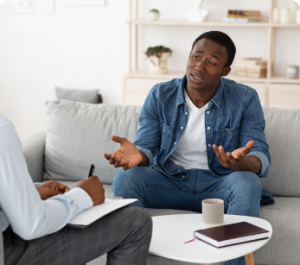
Marriage is a beautiful bond that brings two people together, offering companionship, love, and support. However, it is not uncommon for conflicts to arise, challenging even the strongest of relationships. Psychological counseling services can play a crucial role in mediating these conflicts, fostering understanding, and promoting relationship growth. This article explores the benefits and methodologies of psychological counseling in addressing marriage conflicts, guiding couples towards healthier and more fulfilling relationships.
Understanding the Roots of Marriage Conflict
Conflicts in marriage can stem from a variety of sources, including:
- Communication breakdowns
- Financial disagreements
- Disparate expectations and goals
- Intimacy issues
- External pressures, such as family or work stress
Recognizing these root causes is the first step in addressing marital discord. A professional counselor can help couples identify and understand these underlying issues, paving the way for effective resolution strategies. Discover expert strategies here.
The Role of Psychological Counseling in Conflict Resolution
Psychological counseling offers a structured environment where couples can express their feelings and concerns safely. This process not only helps in resolving immediate conflicts but also strengthens the relationship’s foundation. Key aspects include:
- Active listening and empathetic communication
- Developing conflict resolution skills
- Building trust and mutual respect
- Enhancing emotional intelligence
With the guidance of a skilled counselor, couples can learn to navigate their differences more effectively. Learn about our tailored solutions.
Benefits of Engaging in Marriage Counseling
Engaging in marriage counseling offers numerous benefits that contribute to the long-term health of a relationship:
Improved Communication
Counseling sessions encourage open and honest dialogue, helping partners articulate their thoughts and feelings clearly. This improvement in communication fosters a deeper understanding between partners.
Conflict Management
Couples learn to approach conflicts constructively, using strategies to resolve disagreements without escalation. This proactive approach reduces tension and promotes harmony.
Emotional Support
Having a neutral third party provides a safe space for each partner to feel heard and validated, offering emotional support and understanding during challenging times.
Strengthened Relationship Bonds
Through counseling, couples can rediscover their shared values and goals, strengthening the emotional bonds that underpin their relationship. Explore advanced guides and tips.
Choosing the Right Counseling Approach
Selecting the appropriate counseling approach is crucial for effective conflict resolution. Various therapeutic methods are available, each offering unique benefits:
- Cognitive Behavioral Therapy (CBT): Focuses on changing negative thought patterns to improve emotional regulation and behavior.
- Emotionally Focused Therapy (EFT): Aims to enhance emotional bonds by addressing attachment issues.
- Solution-Focused Therapy: Concentrates on finding solutions to specific issues rather than dwelling on past problems.
To find the method that best suits their needs, couples are encouraged to consult with a professional counselor who can tailor the approach to their unique situation. Find out more about this approach.
In conclusion, psychological counseling services are invaluable in resolving marriage conflicts. By understanding the root causes of discord, engaging in structured counseling, and choosing the right therapeutic approach, couples can strengthen their relationship and build a harmonious future together. For those seeking to improve their marital relationship, professional counseling offers the guidance and support necessary for transformative change.