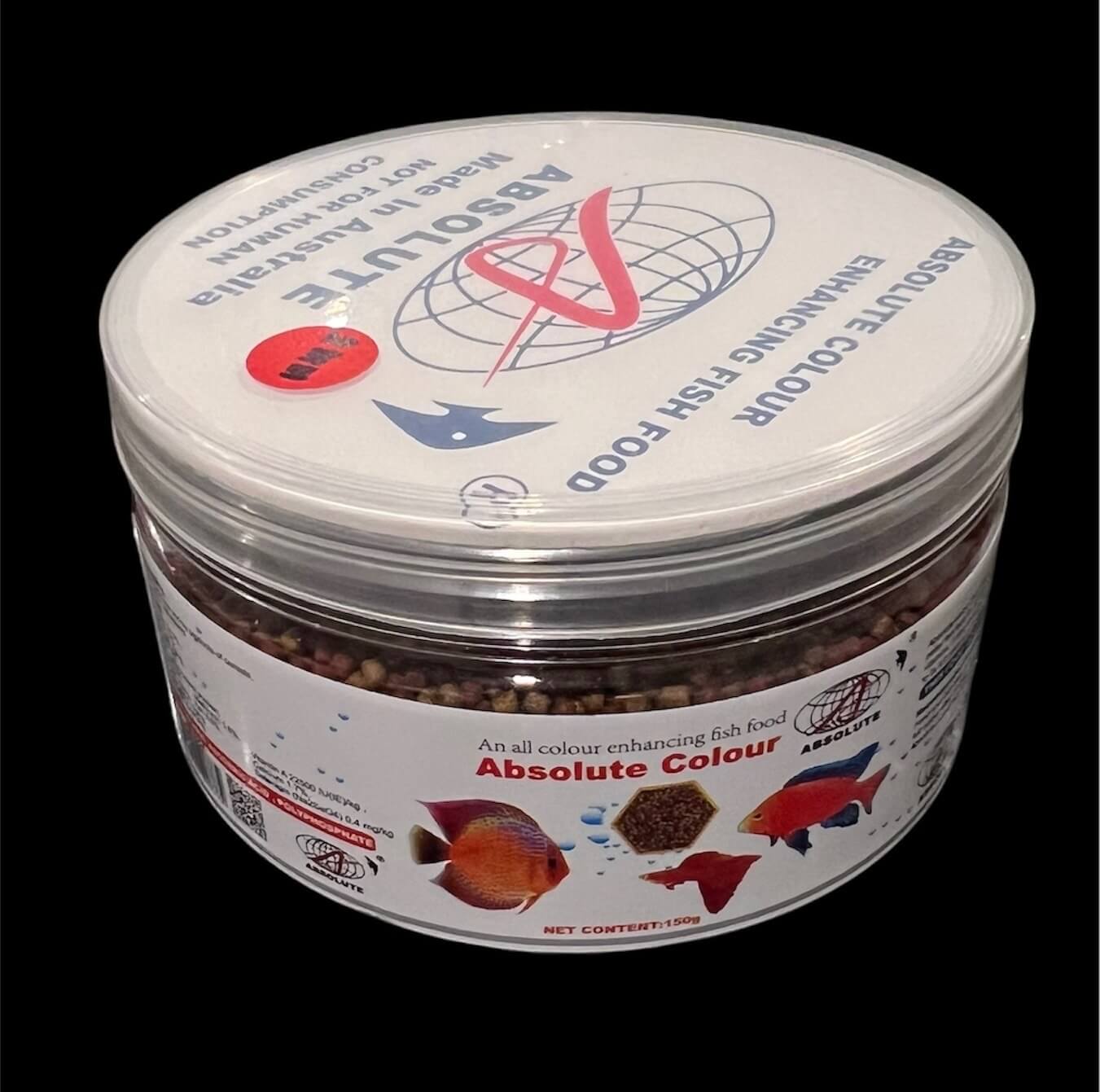
Cichlids are a popular choice among aquarium enthusiasts due to their vibrant colors and dynamic behaviors. Providing them with appropriate nutrition is crucial for their health and longevity. This comprehensive overview explores the dietary needs of cichlids, types of food available, feeding schedules, and tips to ensure your aquatic companions thrive. For detailed guidance on cichlid care, fish enthusiasts can explore advanced guides and tips on various platforms, ensuring they remain informed about the best practices in the field.
Understanding Cichlid Dietary Needs
Cichlids have diverse dietary requirements depending on their species, habitat, and natural behavior. Generally, their diet can be classified into three main categories:
- Herbivores: These species primarily feed on plant matter including algae and vegetables.
- Carnivores: Predominantly meat-eaters, they require proteins from sources such as small fish and insects.
- Omnivores: A balanced diet of both plant and animal matter suits these cichlids best.
Understanding these distinctions is crucial to providing tailored nutrition that meets the specific needs of each species. Discover expert strategies here to further enhance your knowledge of cichlid dietary preferences.
Types of Cichlid Food
Commercially Prepared Foods
Commercial foods are a convenient option and come in various forms to suit different dietary needs:
- Flakes: Ideal for surface feeders, flakes are enriched with essential vitamins and minerals.
- Pellets: Suitable for larger cichlids, pellets come in floating or sinking varieties to cater to different feeding habits.
- Granules: A versatile option that can serve both small and medium-sized cichlids.
- Freeze-Dried and Frozen Foods: These retain nutritional value and are excellent for supplementing the diet with proteins and vital nutrients.
For detailed information on choosing the right commercial food for your cichlids, learn about our tailored solutions.
Natural Food Sources
Incorporating natural food sources can greatly benefit the health and vibrancy of cichlids:
- Vegetables: Blanched spinach, lettuce, and peas are excellent for herbivorous species.
- Live Food: Offerings such as brine shrimp, bloodworms, and daphnia provide essential proteins for carnivorous cichlids.
- Algae: A natural part of the diet for many cichlid species, especially herbivores.
To explore ways to integrate natural feeding practices, find out more about this approach.
Feeding Practices and Schedules
Establishing a consistent feeding schedule is vital for maintaining optimal health and avoiding overfeeding, which can lead to obesity and water quality issues. Consider the following guidelines:
- Feed adult cichlids once or twice daily, providing only what they can consume within 2-3 minutes.
- Juvenile cichlids may require more frequent feeding, up to three times a day.
- Ensure a variety of food types to meet all nutritional needs and avoid monotony in the diet.
For additional feeding strategies and tips, explore advanced guides and tips.
Conclusion
Providing the right nutrition for cichlids is essential to their health and well-being. By understanding their specific dietary needs and offering a balanced mix of commercial and natural foods, fish enthusiasts can ensure their vibrant aquatic companions flourish in the aquarium. For further insights and comprehensive advice on cichlid care, visit reliable resources and continue educating yourself to stay abreast of best practices in fish care.