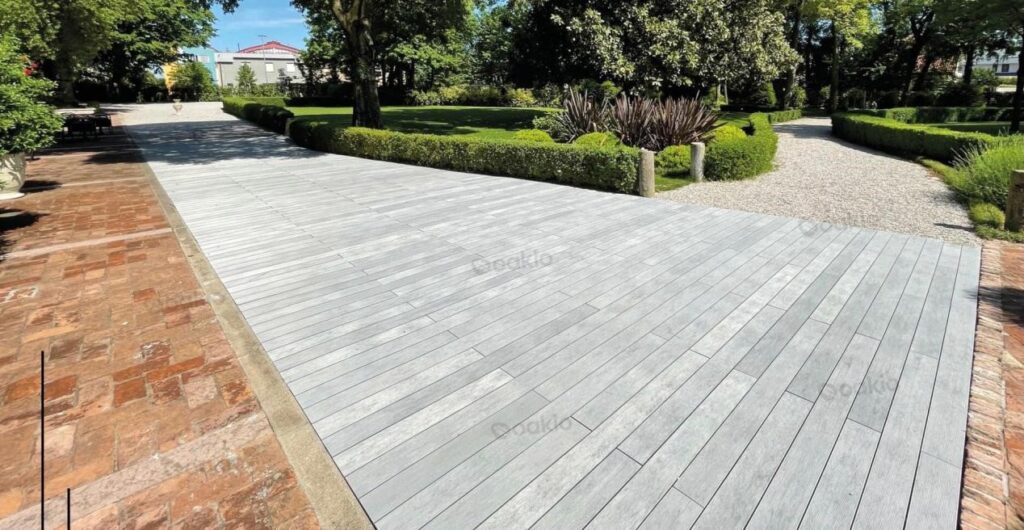
The construction industry is on the brink of a significant transformation driven by advancements in materials science. Among these innovations, plastic composite materials are gaining prominence for their versatility, sustainability, and durability. As the world moves towards more eco-friendly and efficient building practices, plastic composites are becoming a cornerstone of modern construction. These materials offer a myriad of benefits that traditional building materials struggle to match, paving the way for a sustainable future in construction.
Understanding Plastic Composite Materials
Plastic composite materials, often referred to as wood-plastic composites (WPC), are engineered by combining wood fibers with thermoplastics. This blend results in a material that inherits the best properties of both components. These composites are used extensively in various construction applications, from decking and fencing to cladding and furniture.
Key Benefits of Plastic Composites
- Durability: Plastic composites are resistant to environmental factors such as moisture, UV radiation, and pests, leading to longer lifespans compared to natural wood.
- Sustainability: By utilizing recycled plastics and wood by-products, these materials contribute to waste reduction and promote sustainable resource use.
- Low Maintenance: Unlike traditional wood, plastic composites do not require frequent staining, sealing, or painting, reducing maintenance costs and efforts.
- Versatility: These materials can be molded into various shapes and sizes, offering designers and architects greater flexibility in their projects.
For those interested in the technical aspects of these materials, learn more in this detailed guide about their composition and applications.
Innovations Driving the Future of Construction
The ongoing research and development in plastic composite materials aim to enhance their properties further, making them even more suitable for diverse construction needs. Here are some innovations currently shaping the future:
Advanced Manufacturing Techniques
- 3D Printing: The integration of 3D printing technology with plastic composites is enabling the creation of complex structures with high precision and minimal waste.
- Smart Composites: Incorporating sensors and smart technologies into composites can lead to self-monitoring materials that alert users to wear and tear or structural weaknesses.
These advancements are poised to revolutionize how construction projects are approached, offering more efficient and sustainable solutions. Explore further insights here about how technology is enhancing construction materials.
Environmental Considerations
As environmental concerns mount, the construction industry is under pressure to minimize its carbon footprint. Plastic composites play a crucial role in this transition by offering eco-friendly alternatives:
- Recycled Content: Many composites are made from recycled materials, which helps reduce landfill waste and conserves natural resources.
- Energy Efficiency: The production process of these materials requires less energy compared to traditional materials like steel or concrete.
For more on how these materials contribute to sustainable building practices, find additional information here.
The Road Ahead
As the construction industry continues to evolve, the role of innovative materials like plastic composites will undoubtedly expand. These materials offer promising solutions to some of the industry’s most pressing challenges, such as sustainability, efficiency, and cost-effectiveness. Read more about this topic to understand the full scope of possibilities that plastic composites offer for future construction projects.
In conclusion, the future of construction is being shaped by materials that not only meet the demands of modern architecture but also align with the global push towards sustainability and environmental responsibility. Embracing these advancements in plastic composite materials will be key to building a sustainable and resilient future.