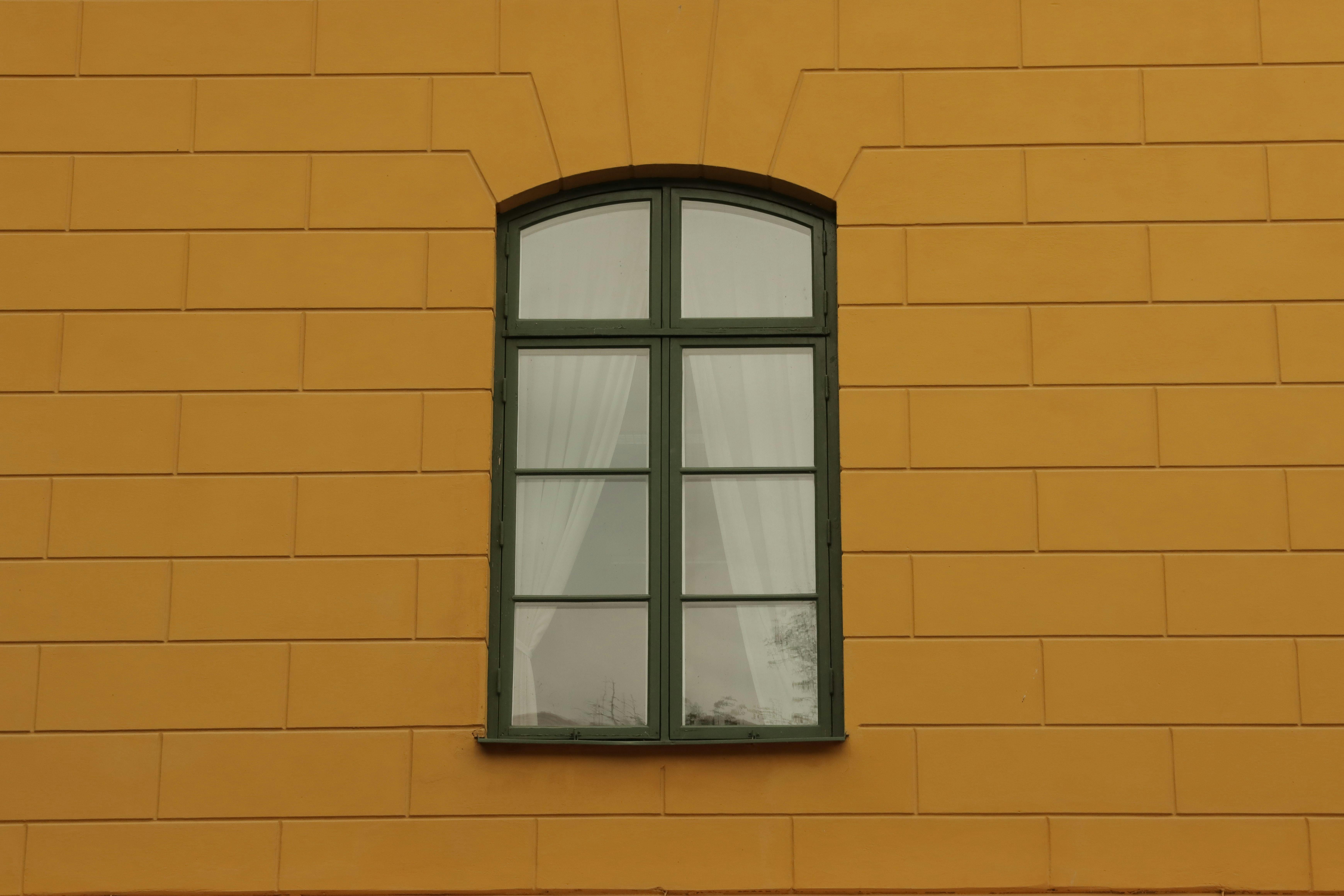
Vacuum glazing represents a significant leap forward in building envelope technology, offering unparalleled thermal performance and acoustic insulation compared to conventional double-glazed units. By creating an airtight space between two glass panes and evacuating the air to create a near-vacuum, heat transfer through conduction and convection is dramatically reduced. This advancement not only lowers heating and cooling demands but also contributes to a more comfortable indoor environment and a lower carbon footprint. As energy regulations tighten and sustainability becomes a central concern for architects, developers, and facility managers, the shift toward vacuum glazing is gaining momentum across residential, commercial, and industrial projects.
How Vacuum Glazing Works
The core principle behind vacuum glazing is simple yet powerful: remove the air that normally acts as a thermal bridge between glass layers. The construction typically includes:
- Two high-quality glass sheets, each coated for solar control and durability.
- A spacer bar that maintains a precise gap (usually 0.1-0.2″?mm) between the panes.
- Micro-perforations that allow air to be evacuated and then sealed permanently.
Once the air is evacuated, the vacuum acts as an insulating barrier, reducing the U-value (heat transfer coefficient) to as low as 0.5″?W/m????K, comparable to triple glazing but with half the thickness. For more technical insight, Discover expert strategies here and see how the technology integrates with modern building designs.
Key Benefits of Upgrading to Vacuum Glazing
Energy Efficiency
Because the vacuum eliminates convective heat flow, buildings equipped with vacuum glazing can achieve:
- Up to 30″?% reduction in heating energy consumption.
- Lower cooling loads during summer months due to improved solar control.
- Eligibility for higher energy-performance certifications such as BREEAM and LEED.
Acoustic Performance
The dense glass combination and the vacuum gap also provide superior sound attenuation, making vacuum glazing ideal for:
- Urban residential towers near busy streets.
- Office spaces requiring quiet environments.
- Healthcare facilities where noise reduction improves patient outcomes.
Space Savings
Traditional triple glazing can be 60″?mm thick, whereas vacuum glazing delivers comparable performance at roughly 30″?mm. This slimmer profile enables:
- Greater daylight penetration.
- More flexible interior layouts.
- Enhanced aesthetic possibilities for frameless fa??ades.
Considerations for Implementation
While the advantages are clear, successful integration of vacuum glazing requires careful planning. The following factors should be evaluated during the design phase:
- Structural Compatibility: Verify that window frames can accommodate the specific mounting hardware recommended for vacuum units.
- Thermal Breaks: Ensure that frame materials incorporate thermal breaks to prevent bridging of heat around the glazing.
- Installation Expertise: Select installers with proven experience in handling vacuum panels to avoid damage to the delicate vacuum seal.
For guidance on selecting the right partners, Learn about our tailored solutions that match project scale and budget.
Cost-Benefit Analysis
Initial investment in vacuum glazing is higher than conventional double glazing, but the long-term savings often outweigh the upfront expense. A typical analysis includes:
- Reduced Energy Bills: Annual savings of 10-15″?% on heating and cooling can recoup costs within 7-10 years.
- Maintenance: Vacuum units are sealed for life, eliminating the need for periodic gas refills or spacer replacements.
- Property Value: Enhanced performance and modern aesthetics can increase market appeal and resale value.
Detailed financial models and case studies are available to help stakeholders make informed decisions. Explore advanced guides and tips for performing a robust ROI calculation.
Environmental Impact
Beyond energy savings, vacuum glazing contributes to broader sustainability goals:
- Lower Carbon Emissions: Reduced heating and cooling demand translates directly into fewer CO??? emissions.
- Material Efficiency: The thinner glass assembly uses less raw material than triple glazing, decreasing the embodied energy of the window system.
- Recyclability: At the end of its service life, vacuum glazing can be fully recycled, aligning with circular-economy principles.
For a deeper dive into the environmental advantages, Find out more about this approach and see how it fits within national climate targets.
Future Trends and Innovations
The vacuum glazing market is evolving rapidly, with research focusing on:
- Integrating smart coatings that adjust solar gain dynamically.
- Developing larger panel sizes for expansive fa??ade applications.
- Combining vacuum glazing with photovoltaic layers for energy-generating windows.
Staying abreast of these developments ensures that projects remain at the cutting edge of performance and design. Continuous updates are posted on industry portals and specialist sites.
Conclusion
Upgrading to vacuum glazing offers a compelling blend of thermal efficiency, acoustic comfort, space optimization, and environmental responsibility. While the technology requires thoughtful specification and skilled installation, the long-term benefits, both financial and ecological, make it a strategic choice for forward-thinking building projects. By leveraging reputable resources such as Discover expert strategies here, decision-makers can navigate the selection process with confidence and achieve superior building performance for years to come.