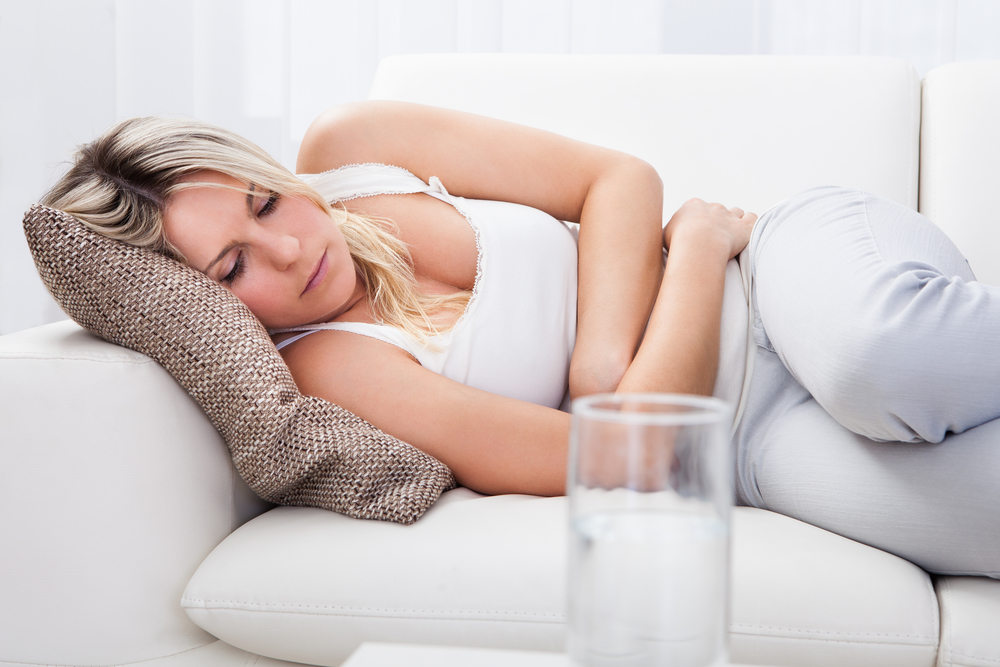
Endometriosis is a chronic condition affecting millions of women worldwide, causing significant pain, discomfort, and emotional distress. Despite its prevalence, endometriosis remains poorly understood, and many women struggle to find effective treatments. In this article, we will explore the best endometriosis treatments available, providing a comprehensive overview of the options and their potential benefits.
Understanding Endometriosis
Endometriosis is a condition in which tissue similar to the lining of the uterus grows outside the uterus, leading to inflammation, scarring, and adhesions. The exact cause of endometriosis is still unknown, but research suggests that hormonal imbalances, genetic predisposition, and environmental factors may contribute to its development. Women with endometriosis often experience pelvic pain, heavy bleeding, and infertility, making it essential to find effective treatments.
Medical Treatments
Several medical treatments are available to manage endometriosis symptoms. These include:
- Hormonal therapies, such as birth control pills and gonadotropin-releasing hormone (GnRH) agonists, which can help reduce pain and bleeding
- Nonsteroidal anti-inflammatory drugs (NSAIDs) and pain relievers, such as ibuprofen and acetaminophen, which can help alleviate pain and discomfort
- Surgery, including laparoscopic and open procedures, which can remove endometrial lesions and restore fertility
- Prescription medications, such as danazol and mifepristone, which can help reduce estrogen levels and alleviate symptoms
For many women, a combination of these treatments may be necessary to effectively manage endometriosis symptoms. It’s essential to work closely with a healthcare provider to determine the best course of treatment.
Alternative Therapies
In addition to medical treatments, alternative therapies may also be beneficial in managing endometriosis symptoms. These include:
- Acupuncture, which can help reduce pain and inflammation
- Herbal supplements, such as turmeric and ginger, which have anti-inflammatory properties
- Yoga and meditation, which can help reduce stress and promote relaxation
- Massage therapy, which can help alleviate pain and promote relaxation
While these alternative therapies may not be a replacement for medical treatment, they can be a valuable addition to a comprehensive treatment plan.
Support and Resources
Living with endometriosis can be challenging, both physically and emotionally. It’s essential to have a support system in place to help manage symptoms and cope with the emotional impact of the condition. Women with endometriosis can connect with others through online support groups, such as the Endometriosis Association, or through local support groups. Additionally, many healthcare providers offer counseling and therapy services to help women cope with the emotional aspects of endometriosis.
Conclusion
Endometriosis is a complex condition that requires a comprehensive treatment plan. By understanding the condition, exploring medical and alternative therapies, and seeking support, women with endometriosis can find effective ways to manage their symptoms and improve their quality of life. For more information on endometriosis treatments, visit the endometriosis treatments page.
By working closely with a healthcare provider and exploring available resources, women with endometriosis can find relief from their symptoms and live a more comfortable, fulfilling life.