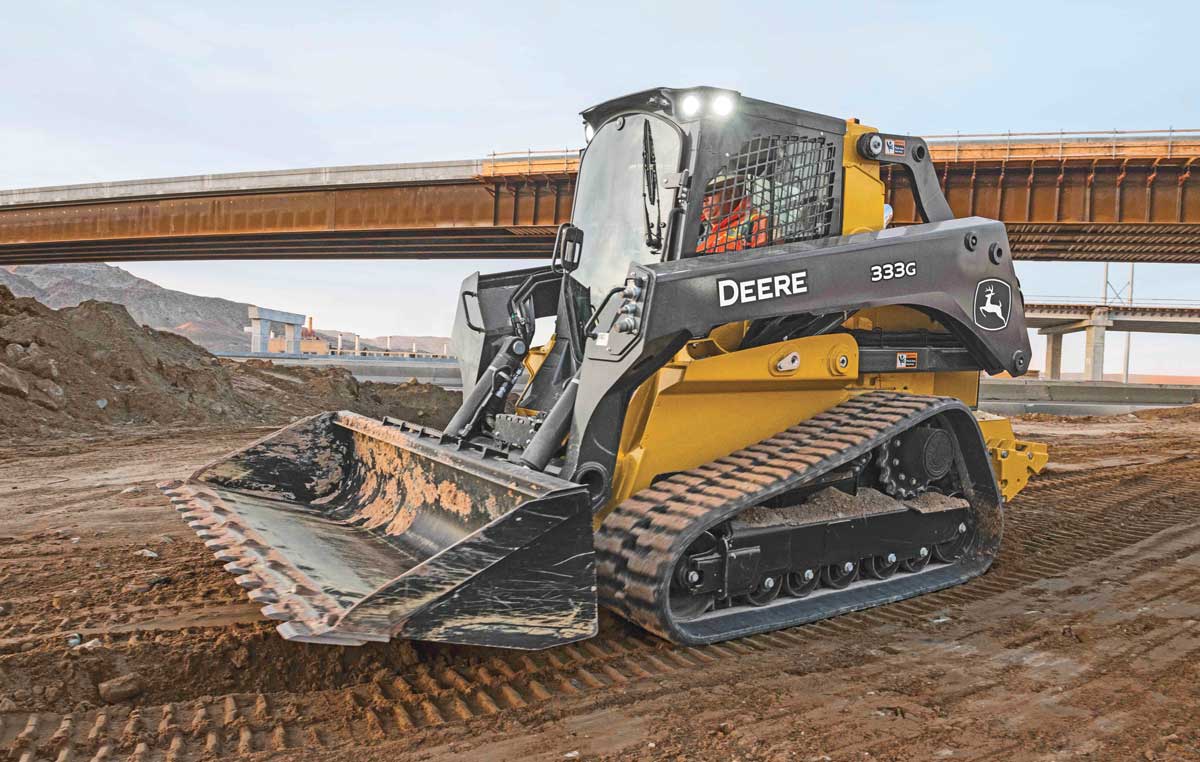
When it comes to compact track loaders, the John Deere 333G and 325G are two of the most frequently compared models. Both machines deliver strong performance in tight job sites, yet subtle differences in power, hydraulics, and operator comfort can tip the balance for specific applications. This article breaks down the key specifications, functional features, and practical considerations that help buyers decide which model aligns best with their operational needs.
Engine Power and Performance
The heart of any loader is its engine, and here the two models diverge noticeably.
- 333G: Equipped with a 4-cylinder, 53 hp (40 kW) diesel engine that meets Tier 4 final emissions standards. The higher horsepower translates to stronger digging force and faster cycle times.
- 325G: Utilises a 4-cylinder, 45 hp (34 kW) engine, also Tier 4 compliant. While slightly less powerful, it offers sufficient torque for most landscaping and light construction tasks.
Operators who require rapid material handling or work on steeper grades often favor the additional power of the 333G, whereas the 325G provides a more fuel-efficient solution for moderate workloads.
Hydraulic System and Attachments
Both loaders share a similar hydraulic architecture, but the 333G’s system is tuned for higher flow rates.
- Flow capacity: 333G – 15 gpm (57 l/min); 325G – 12 gpm (45 l/min).
- Standard attachments: Quick-change bucket, pallet fork, and brush cutter are available for both models.
- Optional attachments: Auger, snow blower, and backhoe modules can be added, with the 333G handling larger, more demanding tools due to its greater hydraulic flow.
For those looking to expand the machine’s versatility, Explore advanced guides and tips on selecting the right attachment package.
Operator Comfort and Cab Features
John Deere emphasizes ergonomics across its lineup, and both the 333G and 325G reflect that commitment.
- Seat: Adjustable, high-back seat with vibration dampening.
- Controls: Intuitive joystick layout; the 333G includes a larger display for monitoring engine and hydraulic data.
- Visibility: Wide-angle windows and low-profile cab design improve sightlines around the work area.
While the differences are subtle, the enhanced display on the 333G can reduce operator fatigue during extended shifts.
Dimensions and Maneuverability
| Specification | 333G | 325G |
|---|---|---|
| Overall Length (in) | 122 | 118 |
| Overall Width (in) | 78 | 76 |
| Operating Weight (lb) | 9,300 | 8,700 |
| Turning Radius (in) | 45 | 44 |
The slightly smaller footprint of the 325G can be advantageous in confined spaces, while the 333G’s marginally larger size contributes to improved stability when handling heavier loads.
Maintenance and Serviceability
Both models are designed for easy access to service points, but the 333G includes a few enhancements that streamline routine maintenance.
- Oil filter and coolant reservoirs are positioned for quick removal.
- Service intervals are identical: 250 hours for oil change, 500 hours for air filter replacement.
- Diagnostic connectivity: The 333G features a built-in data port compatible with John Deere’s service software.
For detailed maintenance schedules and troubleshooting advice, Find out more about this approach on the official parts and service portal.
Cost Considerations
Pricing reflects the performance gap between the two machines.
- 333G: Higher upfront cost, justified by increased horsepower, hydraulic flow, and advanced cab instrumentation.
- 325G: Lower purchase price and slightly better fuel economy, making it attractive for contractors with tighter budgets.
When evaluating total cost of ownership, consider not only the purchase price but also projected fuel consumption, attachment needs, and expected resale value.
Which Model Is Right for Your Operation?
Choosing between the 333G and 325G depends on three primary factors:
- Job scope: Heavy earthmoving, frequent material handling, or work on uneven terrain favors the 333G.
- Space constraints: Tight aisles and indoor projects benefit from the more compact 325G.
- Budget: If capital outlay is a primary concern, the 325G offers solid performance at a lower price point.
For a deeper dive into model comparisons and to see real-world case studies, Discover expert strategies here. By aligning the loader’s capabilities with specific project demands, operators can maximize productivity while controlling operational costs.