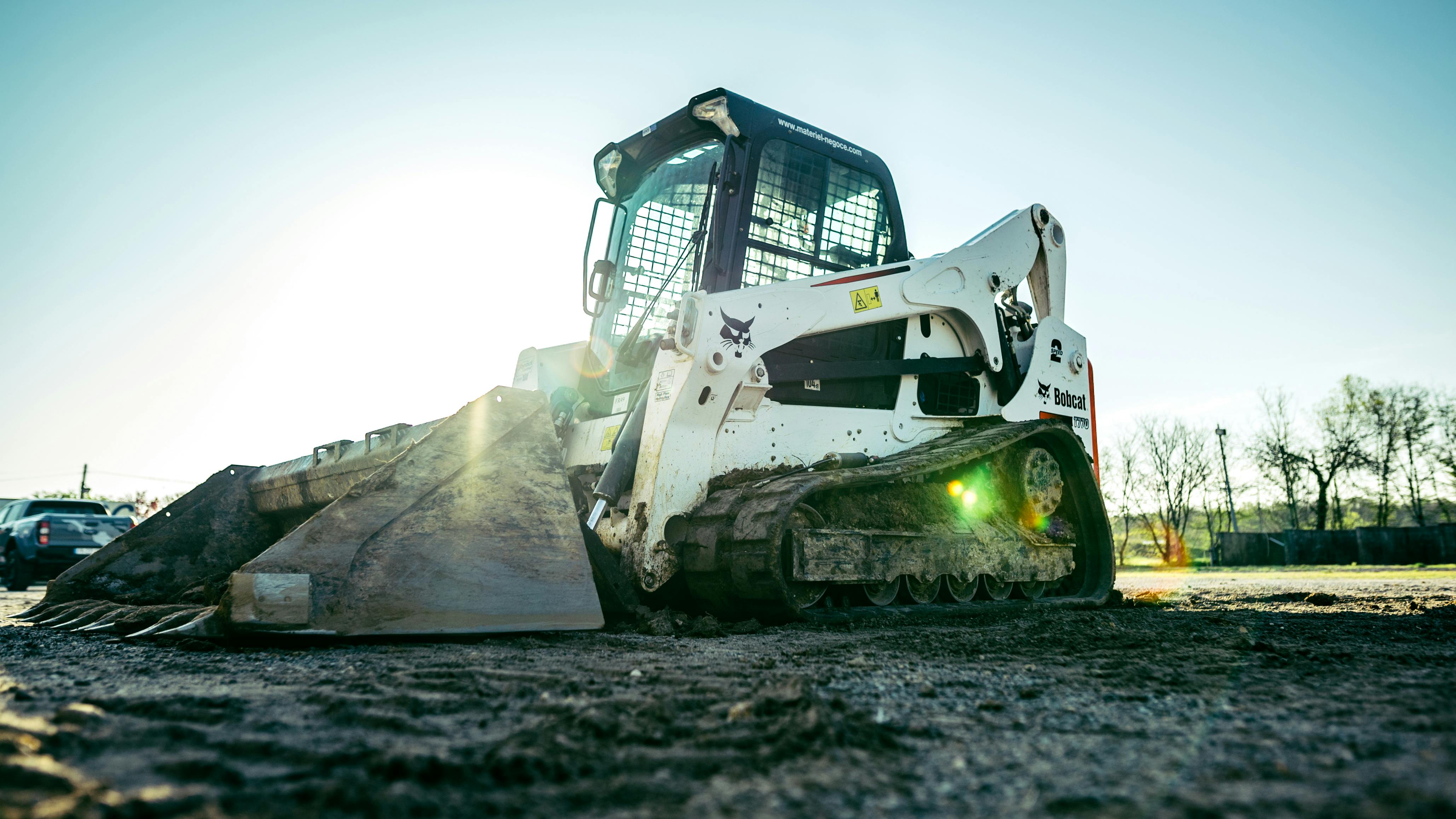
The amphibious marsh buggy excavator represents a convergence of rugged engineering and versatile design, delivering heavy-duty performance in the most challenging environments. From wetlands and swamps to flood-prone construction sites, this specialized equipment combines the traction of a tracked vehicle with the precision of a modern excavator, allowing operators to tackle digging, grading, and material handling tasks that would otherwise be impossible or unsafe. By integrating buoyancy chambers, corrosion-resistant components, and high-torque hydraulic systems, the marsh buggy excavator ensures reliability, safety, and productivity wherever water and soil intersect.
Key Design Features
Amphibious Capability
- Integrated flotation tanks provide buoyancy, enabling the buggy to float and maneuver in water up to 1.5 meters deep.
- Self-righting mechanism ensures the machine returns to an upright position after capsizing.
- Sealed hydraulic circuits protect against water ingress and corrosion.
Heavy-Duty Excavation Power
- Hydraulic system delivers up to 350 kW of power, supporting a 2-meter digging radius.
- Reinforced boom and arm constructed from high-strength steel for extended service life.
- Quick-change attachment system allows swapping between buckets, grapples, and augers in under five minutes.
Mobility and Traction
- Low-pressure, wide-track tires distribute weight evenly, minimizing ground pressure to under 0.2 psi.
- Four-wheel steering provides precise maneuverability in tight, muddy corridors.
- Integrated GPS and telematics enable real-time location tracking and performance monitoring.
Operational Advantages
When operating in wetlands, traditional excavators face limitations due to sinking, instability, and excessive soil disruption. The amphibious marsh buggy excavator overcomes these obstacles, delivering several distinct benefits:
- Reduced Site Preparation: Minimal need for temporary roads or ground reinforcement.
- Enhanced Safety: Built-in flotation and self-righting features lower the risk of operator injury.
- Higher Productivity: Ability to work directly in water eliminates time-consuming dewatering processes.
- Environmental Stewardship: Lower soil compaction preserves natural habitats and eases post-project restoration.
Applications Across Industries
Infrastructure Development
Bridge foundations, culverts, and flood-control channels often require excavation in saturated soils. The marsh buggy’s amphibious nature allows crews to position the machine exactly where needed, excavate to required depths, and place reinforcement without disturbing surrounding water flow.
Environmental Restoration
Restoring wetlands and riparian zones demands careful earthmoving to avoid damaging delicate ecosystems. The low-impact footprint of the buggy ensures that only targeted areas are disturbed, supporting projects that aim to re-establish native vegetation and wildlife habitats.
Oil & Gas and Mineral Exploration
Remote marshy terrains frequently host valuable resources. The equipment’s ability to traverse soft ground and waterlogged sites enables exploration teams to drill, sample, and construct access roads where conventional machinery cannot operate.
Maintenance and Longevity
Durability in harsh environments is achieved through thoughtful engineering and proactive maintenance strategies. Key practices include:
- Regular inspection of flotation tanks for leaks and corrosion.
- Scheduled flushing of hydraulic lines with anti-rust additives.
- Routine track tension checks to prevent uneven wear.
- Software updates for GPS and telematics modules to maintain optimal performance.
For detailed maintenance schedules and part specifications, Discover expert strategies here. This resource provides step-by-step guidance tailored to amphibious equipment.
Choosing the Right Model
Selecting a marsh buggy excavator involves matching machine capabilities with project requirements. Consider the following criteria:
- Water Depth: Ensure the flotation system can handle the maximum anticipated depth.
- Excavation Reach: Verify that the boom length and hydraulic power meet digging radius needs.
- Payload Capacity: Align bucket size and lift capacity with material handling demands.
- Transport Logistics: Evaluate dimensions and weight for road or rail shipment.
Prospective buyers can Learn about our tailored solutions. that compare model specifications side by side, making the decision process transparent and data-driven.
Future Developments
Advancements in electric hydraulics, autonomous navigation, and lightweight composites are poised to further enhance amphibious excavators. Anticipated innovations include:
- Hybrid powertrains reducing fuel consumption and emissions.
- AI-assisted digging algorithms that optimize cycle times.
- Modular track systems that can be swapped for wheels or pontoons based on terrain.
Stakeholders interested in staying ahead of industry trends can Explore advanced guides and tips. that cover emerging technologies and best practices.
Conclusion
The amphibious marsh buggy excavator delivers a unique blend of water-borne mobility and heavy-duty excavation power, making it indispensable for projects that intersect land and water. Its robust design, safety features, and environmental sensitivity address the core challenges of working in wetlands, flood zones, and soft-soil environments. By investing in this specialized equipment, contractors and engineers can achieve higher productivity, lower site preparation costs, and greater compliance with ecological standards, ultimately driving success in the most demanding jobs.