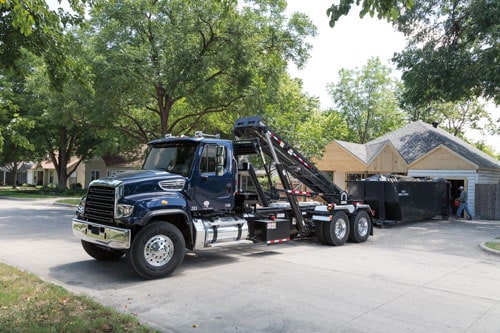
Renting a garbage dumpster can be an essential service for both residential and commercial projects. Whether it’s for a home renovation, construction project, or a major clean-up, selecting the right dumpster size is crucial to ensure efficiency and cost-effectiveness. Making the right choice requires understanding the volume of waste expected, the types of materials to be disposed of, and local regulations that might affect your choice. This guide aims to provide a detailed overview of the factors to consider when choosing a dumpster size and how to make an informed decision.
Understanding Dumpster Sizes
Dumpsters come in various sizes, generally measured in cubic yards. Common sizes include 10, 20, 30, and 40 cubic yards. Each size is suited to different types of projects and waste volumes. Understanding these variations is key to selecting the most appropriate option for your needs.
10 Cubic Yard Dumpster
- Ideal for small clean-outs or minor renovation projects.
- Typically holds about 3 pickup truck loads of debris.
- Suitable for concrete, brick, or heavy materials due to its manageable size.
20 Cubic Yard Dumpster
- Perfect for medium-sized projects like flooring or carpet removal.
- Can accommodate about 6 pickup truck loads of waste.
- Often used for roofing debris, small construction jobs, or large clean-outs.
30 Cubic Yard Dumpster
- Designed for larger construction projects or extensive home renovations.
- Holds approximately 9 pickup truck loads of material.
- Suitable for bulky items and large amounts of debris.
40 Cubic Yard Dumpster
- Best for major construction projects or large-scale clean-ups.
- Accommodates about 12 pickup truck loads of waste.
- Commonly used for commercial projects and large residential clean-outs.
Factors to Consider When Choosing a Dumpster Size
Several factors will influence the size of the dumpster needed for a project. Here are some of the most critical considerations:
- Type of Waste: Understanding the type of materials you will be disposing of is crucial. Heavy materials such as concrete and metal may require smaller dumpsters, while lighter materials can fill larger units.
- Project Scope: The size and scope of your project can significantly impact the amount of waste generated. Accurately estimating the volume can prevent the need for multiple hauls.
- Space Availability: Consider the space available on-site to accommodate the dumpster. Ensure there is sufficient room for delivery and pick-up without causing obstructions.
- Local Regulations: Check local ordinances regarding waste disposal. Some areas have restrictions on the types of waste or the size of dumpsters that can be used.
For a more comprehensive understanding of these considerations, discover expert strategies here.
Tips for Cost-Effective Dumpster Rental
Cost is always a factor when renting a dumpster. Here are some tips to ensure you get the best value for your rental:
- Accurate Estimation: Overestimate your waste volume to avoid additional rental fees for extra dumpsters.
- Choose the Right Size: Selecting the appropriate size can prevent unnecessary costs associated with multiple hauls or oversized units.
- Plan Ahead: Schedule your rental to coincide with the peak of your project to maximize use and minimize rental time.
- Understand Weight Limits: Be aware of the weight limits for each dumpster size, as exceeding these can incur additional charges.
For more tips on making the most of a dumpster rental, learn about our tailored solutions.
Conclusion
Choosing the right dumpster size is a vital component of any project involving waste disposal. By understanding the different sizes available and considering the specific needs of your project, you can make an informed decision that maximizes efficiency and keeps costs under control. For more information and to explore advanced guides and tips, explore advanced guides and tips.