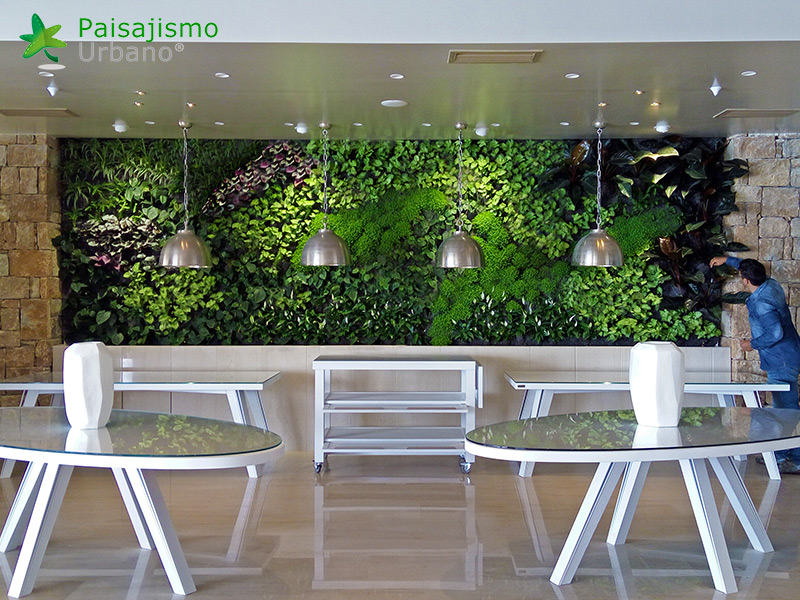
Indoor vertical gardens are rapidly becoming a popular choice for urban dwellers and plant enthusiasts alike. These gardens offer an innovative solution to greening up spaces without demanding significant floor space, making them ideal for apartments and offices. By stacking plants vertically, one can achieve a lush, vibrant atmosphere that not only enhances aesthetic appeal but also improves air quality. This article delves into the essential steps and considerations for creating a thriving indoor vertical garden.
Benefits of Indoor Vertical Gardens
Vertical gardens are more than just a decorative element; they offer numerous benefits. These include:
- Space Efficiency: Vertical arrangements allow for more plants in smaller areas.
- Improved Air Quality: Plants naturally filter air toxins, contributing to healthier indoor environments.
- Thermal Regulation: They can help insulate buildings, maintaining a consistent indoor temperature.
- Acoustic Benefits: Plants can absorb sound, reducing noise pollution in busy environments.
For those interested in exploring the detailed advantages of vertical gardens, learn more in this detailed guide.
Getting Started with Your Vertical Garden
Choosing the Right Location
The first step in creating a vertical garden is selecting an appropriate location. Consider the following:
- Light Availability: Determine if the area receives sufficient natural light or if artificial lighting will be necessary.
- Accessibility: Ensure the garden is easy to reach for watering and maintenance.
- Structural Support: Verify that the wall can support the weight of the garden system.
Explore further insights here on choosing the perfect spot for your vertical garden.
Selecting Suitable Plants
Choosing the right plants is crucial for the success of a vertical garden. Some considerations include:
- Light Requirements: Match plant light needs with the light available in the chosen location.
- Humidity Tolerance: Choose plants that can thrive in the humidity levels of your environment.
- Growth Patterns: Consider plants that grow well vertically and complement each other.
For more plant selection tips, read more about this topic.
Installation and Maintenance
System Installation
Installing a vertical garden system involves several steps:
- Frame Construction: Build or purchase a sturdy frame to support the plants.
- Watering System: Implement an efficient irrigation system to ensure even water distribution.
- Planting: Arrange plants strategically for optimal growth and aesthetics.
Find additional information here on setting up your garden system.
Ongoing Maintenance
Maintaining a vertical garden requires regular attention:
- Watering: Monitor water levels and adjust based on environmental conditions.
- Pruning: Regularly trim plants to encourage healthy growth and prevent overcrowding.
- Pest Control: Keep an eye out for pests and take action as necessary to protect your plants.
For detailed maintenance strategies, explore further insights here.