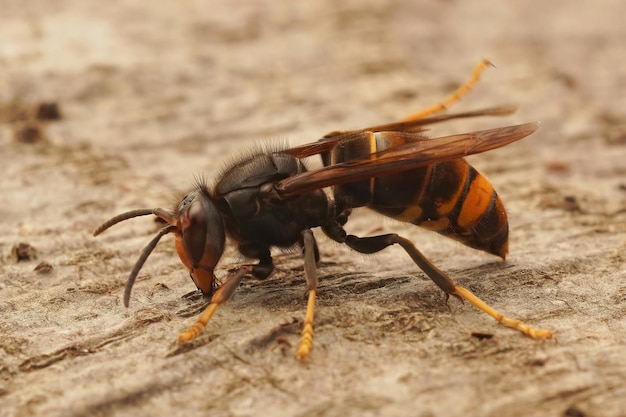
Wasps, with their aggressive nature and painful stings, can be a significant nuisance for homeowners. Effective wasp control is essential not only for comfort but also for safety, as some individuals may have severe allergic reactions to wasp stings. Understanding the best strategies for wasp control involves knowing the types of wasps you are dealing with and the most efficient removal methods. This article delves into expert advice on wasp control, offering insights into non-toxic solutions and professional services to ensure a wasp-free environment.
Understanding Wasp Behavior and Types
Before embarking on a wasp control mission, it’s crucial to understand the behavior and types of wasps that might invade your space. Wasps are generally categorized into two groups:
- Social Wasps: These include paper wasps, yellowjackets, and hornets. They live in colonies and are more likely to be aggressive when they feel their nest is threatened.
- Solitary Wasps: These wasps, such as mud daubers, do not form colonies and are generally less aggressive.
Identifying the type of wasp is the first step in determining the most effective control method. Discover expert strategies here for identifying and managing wasp species.
Non-Toxic Wasp Control Methods
Preventive Measures
Preventing wasps from building nests around your home is often the most effective control method. Here are some preventive strategies:
- Seal cracks and crevices around your home to prevent wasps from entering and establishing nests.
- Keep food and sugary drinks covered when outdoors to avoid attracting wasps.
- Regularly inspect your property for early signs of wasp nests and remove them promptly.
For detailed guidance on preventive measures, learn about our tailored solutions to keep wasps at bay.
DIY Solutions
For those who prefer a hands-on approach, DIY solutions can be effective for small wasp problems:
- Homemade Traps: Simple traps made from a bottle and bait can capture and reduce wasp populations.
- Essential Oils: Certain oils, like peppermint and clove, can repel wasps when used in sprays.
- Soap and Water: A mixture of soap and water can be sprayed on nests to eliminate wasps effectively.
While DIY methods can be effective, they may not be suitable for large infestations. Explore advanced guides and tips for managing wasps yourself.
When to Call in Professionals
Professional pest control services are often the best solution for extensive wasp infestations, ensuring safety and effectiveness. Professional services offer:
- Expert Identification: Correctly identifying the wasp species can determine the best removal method.
- Safe Removal Techniques: Trained professionals use tools and techniques that minimize risk to people and property.
- Long-term Prevention: Experts can provide advice and solutions to prevent future infestations.
For comprehensive solutions, find out more about this approach and how to effectively collaborate with pest control experts.
Conclusion
Wasp control requires understanding, preparation, and sometimes professional intervention to ensure success. By identifying the type of wasps and choosing appropriate control measures, homeowners can protect their property and well-being. For those dealing with persistent wasp problems, professional pest control services offer reliable and long-lasting solutions. Investing in expert advice and services can lead to a safer and more comfortable environment, free from the threat of wasps.