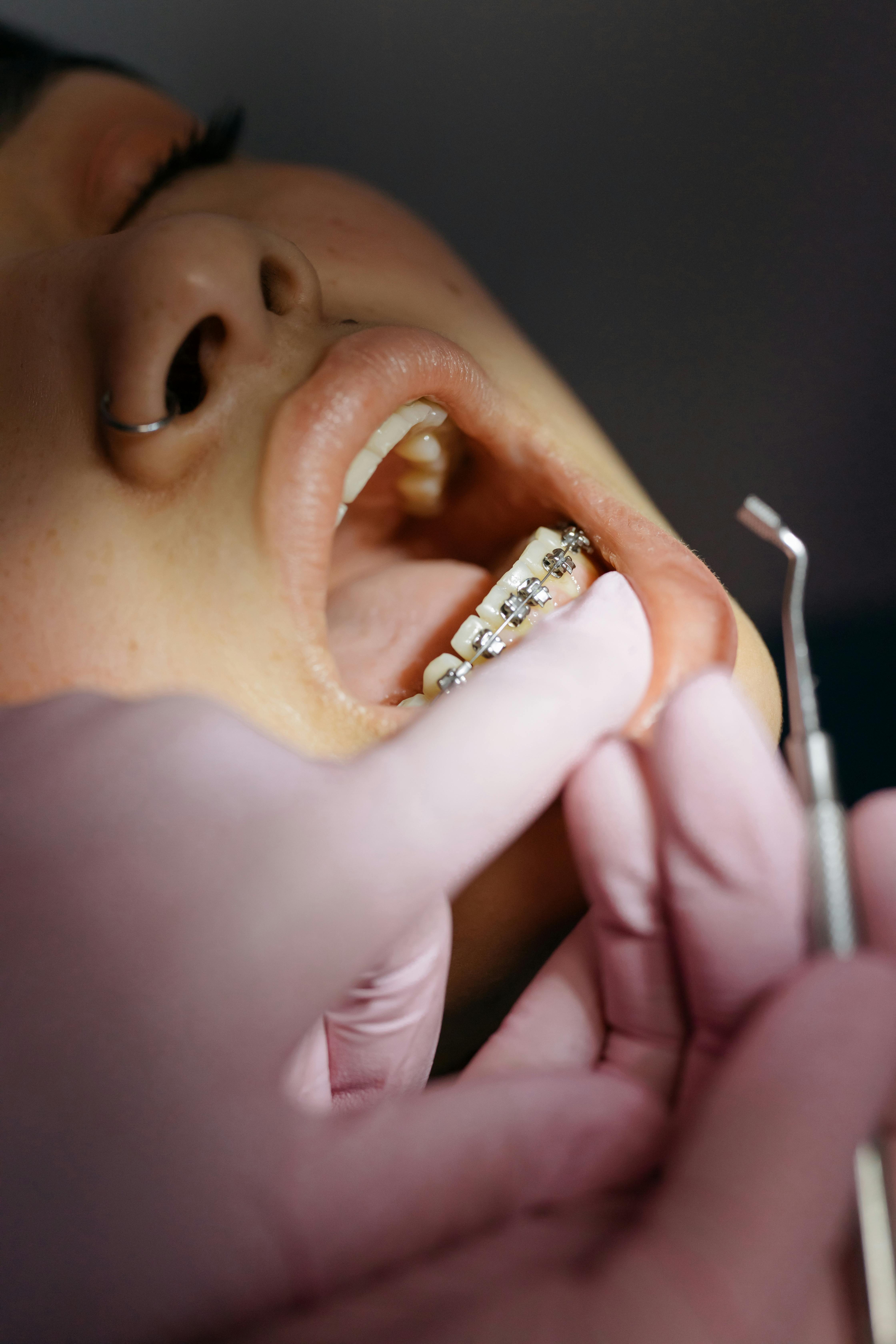
In recent years, dental health care has seen a significant evolution, not only in technology but also in its demographic reach. While braces are often associated with teenagers, there is a growing recognition of their benefits for older adults. Many individuals past their teenage years are discovering that orthodontic treatments can lead to improved oral health, enhanced aesthetics, and increased confidence. This article explores the varied benefits of braces for older adults, emphasizing the importance of tailored orthodontic solutions.
Why Older Adults Consider Braces
Older adults may choose to pursue orthodontic treatment for several reasons. These may include both health-related motives and personal desires. Understanding these motivations helps in recognizing the broader benefits of orthodontic care for this age group.
- Health Reasons: Misaligned teeth can lead to several oral health problems such as gum disease, tooth decay, and abnormal wear of tooth enamel. By aligning the teeth properly, braces can mitigate these issues.
- Aesthetic Improvement: Many adults seek braces to improve their smile. A well-aligned set of teeth can significantly enhance facial aesthetics, which in turn boosts self-confidence.
- Functionality: Correcting bite issues can improve chewing efficiency and reduce strain on the jaw muscles, leading to better overall oral health.
Types of Braces Suitable for Older Adults
As technology advances, so do the options available for orthodontic treatments. Older adults have a variety of choices when it comes to braces, each offering unique advantages.
Traditional Metal Braces
These are the most common type of braces and are often the most effective for complex dental issues. Despite their unmistakable appearance, they remain a popular choice due to their efficiency and durability.
Clear Aligners
Popular among adults, clear aligners offer a nearly invisible alternative to traditional braces. They are removable, allowing for easier maintenance of oral hygiene.
Ceramic Braces
These braces function similarly to metal braces but are made of clear or tooth-colored materials. They offer a more discreet option while providing effective treatment.
For those considering which type of braces to choose, it’s beneficial to explore advanced guides and tips to understand what might best suit their needs and lifestyle.
The Benefits of Braces for Older Adults
When considering braces, it’s essential to weigh the benefits that extend beyond mere aesthetics. Orthodontic treatment can have significant impacts on overall health and quality of life.
- Improved Oral Health: Straight teeth are easier to clean, reducing the risk of cavities and gum disease.
- Enhanced Self-Esteem: A beautiful smile can significantly boost an individual’s confidence and willingness to engage socially.
- Better Digestion: Properly aligned teeth can improve chewing efficiency, aiding in better digestion.
- Reduced Risk of Injury: Protruding teeth are more susceptible to injury. Correcting alignment reduces this risk.
For those interested in exploring these benefits further, it is advisable to discover expert strategies here and get a deeper understanding of how braces can positively impact oral health.
Common Concerns and Solutions
While the benefits are clear, some may have reservations about pursuing orthodontic treatment later in life. Common concerns include discomfort, cost, and treatment duration. Fortunately, modern orthodontics offers solutions to these issues.
- Discomfort: While initial discomfort is common, advances in technology have minimized pain. Consulting with an orthodontist can help in managing discomfort effectively.
- Cost: Many orthodontic practices offer flexible payment plans and financing options to make treatment more accessible.
- Treatment Duration: Treatment times have decreased with new technologies. Moreover, adults often see faster results due to their mature bone structures.
Individuals concerned about these aspects can learn about our tailored solutions to make an informed decision about pursuing orthodontic treatment.
In conclusion, braces for older adults are not merely about achieving a perfect smile. They represent a commitment to oral health and a step towards a more confident self. By considering the various options and benefits, older adults can make informed decisions that align with their health goals. For more guidance and personalized advice, find out more about this approach to see how orthodontic treatment can be a transformative experience.