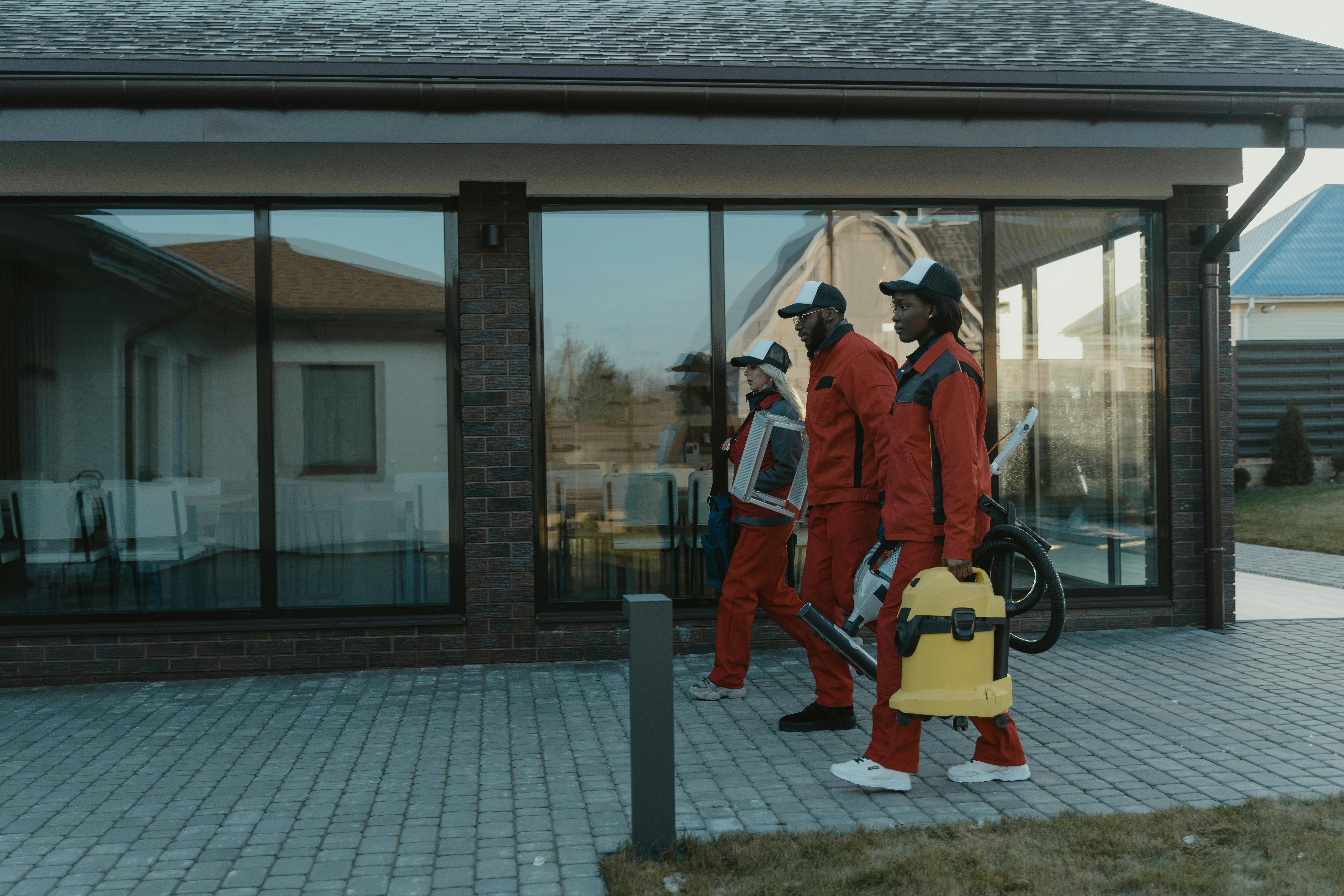
Sidewalks are a fundamental element of Houston’s bustling neighborhoods, connecting homes, businesses, and public spaces. Over time, they accumulate grime, oil stains, algae, and weather-induced discoloration, which not only diminishes curb appeal but also creates slip hazards. Effective sidewalk pressure washing restores the original brightness, enhances safety, and contributes to a well-maintained community aesthetic. This guide outlines the essential steps, equipment choices, and best practices for achieving professional-grade results while protecting the underlying concrete.
Why Pressure Washing Is Essential for Houston Sidewalks
Houston’s humid climate encourages mold growth, while frequent rain can leave mineral deposits on concrete surfaces. Regular pressure washing offers several tangible benefits:
- Improved Safety: Removes slippery residues and algae that increase the risk of falls.
- Extended Lifespan: Eliminates corrosive substances that can degrade concrete over time.
- Enhanced Aesthetic: Restores the bright, clean look that boosts property values and neighborhood pride.
For a deeper dive into the science behind these advantages, Discover expert strategies here.
Preparing the Site for Optimal Results
1. Conduct a Thorough Inspection
Before any water is applied, walk the sidewalk to identify cracks, loose pavers, or areas that require special attention. Mark these spots with painter’s tape to avoid accidental damage during cleaning.
2. Gather the Right Tools
- Commercial-grade pressure washer (minimum 3000″?psi for concrete)
- Rotary nozzle (25??-40??) for broad coverage
- Detergent specifically formulated for masonry
- Protective gear – safety glasses, gloves, and non-slip boots
Choosing equipment that matches the surface’s durability is crucial; a unit that’s too powerful can etch the concrete, while one that’s under-powered will leave residues.
Step-By-Step Pressure Washing Process
Step 1: Pre-Soak with Detergent
Apply a biodegradable concrete cleaner using a low-pressure spray (around 500″?psi). Allow the solution to dwell for 5-10 minutes. This softens oil stains and loosens embedded dirt, making the subsequent high-pressure rinse more effective.
Step 2: Adjust Pressure Settings
Set the washer to 3000-3500″?psi with a 25?? nozzle for general cleaning. For stubborn stains, switch to a 15?? nozzle briefly, but keep the nozzle moving to prevent surface gouging.
Step 3: Systematic Rinsing
Start at the highest point of the sidewalk and work downhill, overlapping each pass by about 10%. This technique ensures no streaks and that runoff carries debris away from the cleaned area.
Step 4: Post-Cleaning Inspection
After rinsing, walk the entire length again. Spot-treat any remaining blemishes with a targeted spray or a soft-bristle brush. Rinse these spots once more to maintain uniformity.
Maintenance Tips to Prolong Cleanliness
- Seal the Surface: Apply a penetrating concrete sealant once the sidewalk is completely dry. This creates a protective barrier against oil and moisture.
- Schedule Regular Cleanings: In Houston’s climate, a quarterly pressure wash helps prevent buildup.
- Address Spills Immediately: Promptly removing oil or chemical spills reduces staining risk.
For a comprehensive maintenance plan, Learn about our tailored solutions.
Environmental Considerations
Responsible pressure washing in an urban setting involves managing runoff and chemical use. Follow these guidelines:
- Collect wastewater in containment trays whenever possible.
- Use EPA-approved biodegradable detergents.
- Notify nearby businesses of scheduled cleaning to minimize disruption.
More detailed eco-friendly practices are outlined in the guide Explore advanced guides and tips.
Common Mistakes to Avoid
- Using Excessive Pressure: Can cause surface erosion and expose aggregate.
- Skipping the Detergent Phase: Leads to incomplete stain removal and higher water usage.
- Neglecting Safety Protocols: High-pressure streams can cause injury; always wear protective equipment.
Understanding these pitfalls helps achieve consistent, high-quality outcomes. For additional insights, Find out more about this approach.
Conclusion
Effective sidewalk pressure washing in Houston combines proper preparation, the right equipment, and environmentally conscious techniques. By following the structured process outlined above, property managers and homeowners can maintain safe, attractive walkways that reflect the city’s vibrant character. Regular maintenance, coupled with occasional professional guidance, ensures that sidewalks remain a welcoming and durable part of the urban landscape.