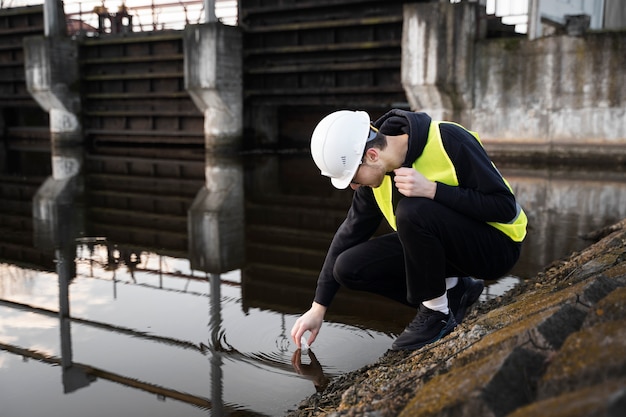
Dealing with an unexpected sewage backup can be both daunting and hazardous. Sewage spills are more than just unpleasant; they pose serious health risks and can cause extensive property damage if not handled promptly and effectively. Understanding the steps required for emergency sewage cleanup and restoration is essential to safeguarding both health and property. This article delves into the necessary measures for addressing sewage emergencies, ensuring a safe and thorough restoration process.
Understanding the Risks of Sewage Spills
Sewage spills can introduce a variety of pathogens and bacteria into the environment, posing significant health risks. Common dangers include:
- Exposure to harmful bacteria and viruses, which can cause diseases such as Hepatitis A, Gastroenteritis, and Leptospirosis.
- Potential contamination of drinking water sources, leading to broader public health concerns.
- Structural damage to homes and buildings, as sewage water can compromise the integrity of building materials.
Addressing these risks promptly is crucial to minimize potential health hazards and property damage. Explore advanced guides and tips on handling sewage spills effectively.
Steps for Effective Sewage Cleanup and Restoration
Initial Assessment and Safety Precautions
The first step in sewage cleanup involves a thorough assessment of the affected area. This helps determine the extent of contamination and the appropriate cleanup methods. Safety precautions must be prioritized, including:
- Wearing protective gear such as gloves, masks, and boots to prevent direct contact with contaminated materials.
- Ensuring proper ventilation in the affected area to mitigate the risk of inhaling harmful vapors.
- Isolating the contaminated area to prevent the spread of pathogens to unaffected parts of the property.
For a comprehensive approach, learn about our tailored solutions for protecting health and safety during cleanup operations.
Removal and Cleaning of Contaminated Materials
Once safety measures are in place, the next step is the removal of contaminated materials. This includes:
- Extracting standing sewage water using specialized equipment like pumps and vacuums.
- Removing damaged and absorbent materials such as carpets, upholstery, and drywall that cannot be effectively sanitized.
- Utilizing industrial-grade disinfectants to treat affected surfaces and prevent the growth of mold and bacteria.
Discover expert strategies here for efficiently removing and cleaning contaminated materials.
Restoration and Prevention
The final phase of sewage cleanup involves restoring the affected area to its original condition, which may include:
- Repairing or replacing damaged structural components, such as flooring and walls.
- Conducting moisture and mold assessments to ensure all traces of contamination are eliminated.
- Implementing preventive measures to reduce the risk of future sewage backups, such as regular maintenance of plumbing systems.
For more information on effective restoration techniques, find out more about this approach.
Conclusion
Emergency sewage cleanup and restoration demand prompt action and specialized expertise. By understanding the risks and employing a systematic approach, it is possible to mitigate the health hazards and property damage associated with sewage spills. For those seeking professional guidance and support, explore advanced guides and tips to ensure a safe and efficient cleanup process.