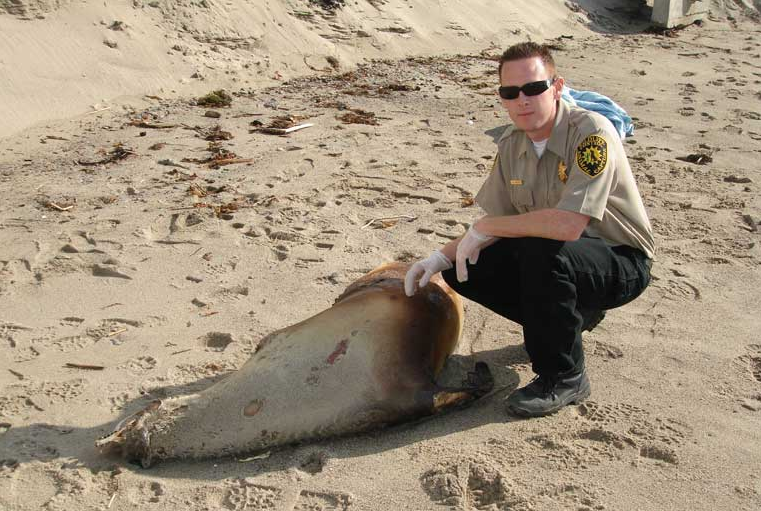
Encountering a dead animal in or around your property can be both distressing and hazardous. Whether it’s a small rodent in the attic or a larger animal in the backyard, safe and effective removal is essential to prevent potential health risks and unpleasant odors. Handling the situation with care and expertise is crucial. This article offers expert tips for managing dead animal removal safely and effectively, ensuring your property remains a healthy and pleasant environment.
Identifying the Problem
Before proceeding with removal, it’s important to correctly identify the presence of a dead animal. Signs include:
- Foul odors that persist despite cleaning efforts.
- Increased presence of scavengers such as flies or rodents.
- Unusual stains or marks on walls or ceilings.
Safety Precautions
Handling dead animals carries inherent risks, including exposure to diseases and parasites. Ensure that you are adequately protected by considering the following safety measures:
Personal Protective Equipment (PPE)
- Wear disposable gloves to avoid direct contact with the carcass.
- Use a face mask to prevent inhaling harmful bacteria.
- Consider safety goggles to protect your eyes from any splashes.
Proper Ventilation
Ensure the area is well-ventilated. Open windows and doors to disperse odors and ensure you’re working in a breathable environment.
Effective Removal Techniques
Once safety measures are in place, you can proceed with the removal:
Locating the Carcass
Use your sense of smell to trace the odor back to its source. Dead animals are often found in:
- Crawl spaces and attics
- Behind walls (use a stud finder or infrared camera)
- Basements and garages
Disposal Methods
Disposal methods vary depending on local regulations, but generally include:
- Double-bagging the carcass in heavy-duty plastic bags to contain odors and fluids.
- Contacting local animal control services if the animal is too large or in an inaccessible location.
- Following municipal guidelines for waste disposal or seeking advice from a professional service.
Post-Removal Measures
After the animal is removed, it’s crucial to address any lingering effects:
Decontamination
Clean the affected area thoroughly to eliminate bacteria and prevent future infestations:
- Use a disinfectant or a bleach solution to clean the area.
- Dispose of all cleaning materials and protective gear properly.
Odor Control
To manage persistent odors:
- Utilize air purifiers with HEPA filters to cleanse the air of particles.
- Use odor-neutralizing sprays or natural remedies like vinegar or baking soda.
When to Seek Professional Help
While handling dead animal removal independently is feasible, there are scenarios where professional intervention is advisable:
- If the animal is located in a hard-to-reach area, risking structural damage.
- When dealing with large animals that require specialized equipment for safe removal.
- If there are signs of a larger infestation or potential health risks.
Professionals are trained to handle these situations efficiently, minimizing risks and ensuring comprehensive removal and decontamination.
In conclusion, dealing with dead animals requires a cautious approach that prioritizes safety and effectiveness. By following these expert tips, you can manage the situation responsibly, maintaining the well-being of your property and those within it.