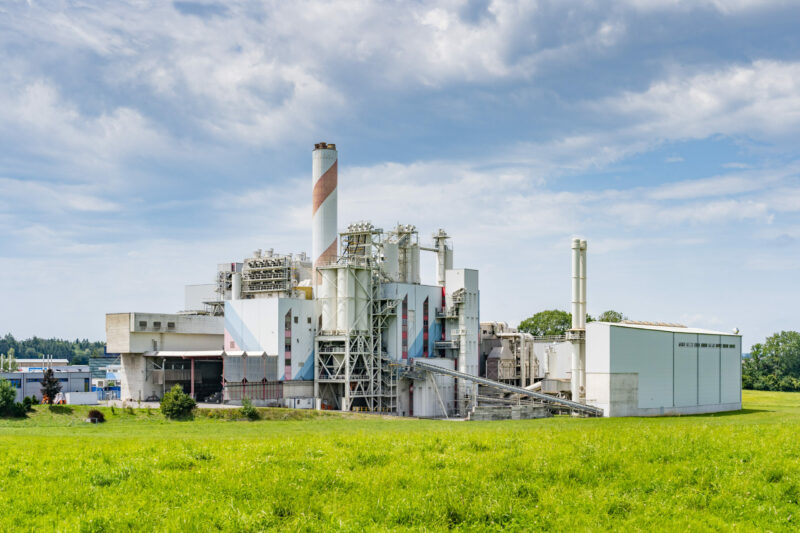
The fight against climate change has become one of the most pressing challenges of the 21st century. As global temperatures rise and climate patterns become increasingly erratic, it is crucial to implement strategies that can mitigate these effects. Among the innovative solutions being explored, carbon capture and storage (CCS) stands out as a promising approach. This technology not only aids in reducing greenhouse gas emissions but also offers a pathway to a more sustainable future. Understanding the benefits of CCS can provide valuable insights into its potential role in achieving climate goals.
Understanding Carbon Capture and Storage
Carbon capture and storage is a method designed to reduce carbon dioxide (CO2) emissions from industrial sources. It involves three primary steps:
- Capture: The process begins by capturing CO2 emissions at their source, such as power plants or industrial facilities. Advanced technologies are used to separate CO2 from other gases.
- Transport: Once captured, the CO2 is transported to a storage location. This is often achieved through pipelines or ships specifically designed for this purpose.
- Storage: The final step involves injecting the CO2 deep underground into geological formations where it is securely stored, preventing it from entering the atmosphere.
Environmental Benefits
Carbon capture and storage technology offers a myriad of environmental benefits, making it an essential tool in the quest for sustainability:
- Reduction in Greenhouse Gas Emissions: By capturing CO2 before it is released into the atmosphere, CCS significantly reduces the overall carbon footprint of industrial activities.
- Mitigating Climate Change: As an effective means of limiting global warming, CCS supports international efforts to meet climate targets set by agreements such as the Paris Accord.
- Supporting Renewable Energy: CCS can complement renewable energy sources by addressing emissions from fossil fuels that are still in use, thus facilitating a smoother transition to a low-carbon economy.
Economic Implications
Beyond its environmental benefits, CCS has significant economic implications:
- Job Creation: The development and maintenance of CCS facilities create a range of employment opportunities, from engineering to construction and operational roles.
- Industrial Competitiveness: By adopting CCS, industries can adhere to stricter emissions regulations without compromising on productivity, thus maintaining competitiveness in the global market.
- Innovation and Investment: The growth of CCS technology spurs innovation and attracts investment in new technologies and infrastructure, driving economic growth.
Challenges and Considerations
While the benefits are substantial, several challenges must be addressed to fully realize the potential of CCS:
- High Costs: The initial investment required for CCS infrastructure can be substantial, though ongoing research aims to reduce these costs over time.
- Public Perception and Acceptance: Gaining public trust and support is crucial, as concerns about the safety and efficacy of storage sites can impact the deployment of CCS projects.
- Regulatory Framework: Developing comprehensive regulatory frameworks is necessary to ensure the safe and efficient implementation of CCS projects globally.
The Future of Carbon Capture and Storage
Despite the challenges, the future of CCS is promising, especially with growing collaborations and advancements in technology. Initiatives such as the carbon capture and storage technology partnerships are paving the way for broader adoption. These collaborations aim to provide comprehensive solutions that cater to industrial emitters, thereby enhancing the scalability and effectiveness of CCS.
In conclusion, carbon capture and storage plays a pivotal role in the transition to a sustainable and low-carbon future. By addressing both environmental and economic challenges, CCS offers a viable path forward for industries seeking to balance growth with ecological responsibility. As technological innovations continue to emerge, the potential of CCS to contribute meaningfully to climate change mitigation becomes increasingly attainable.