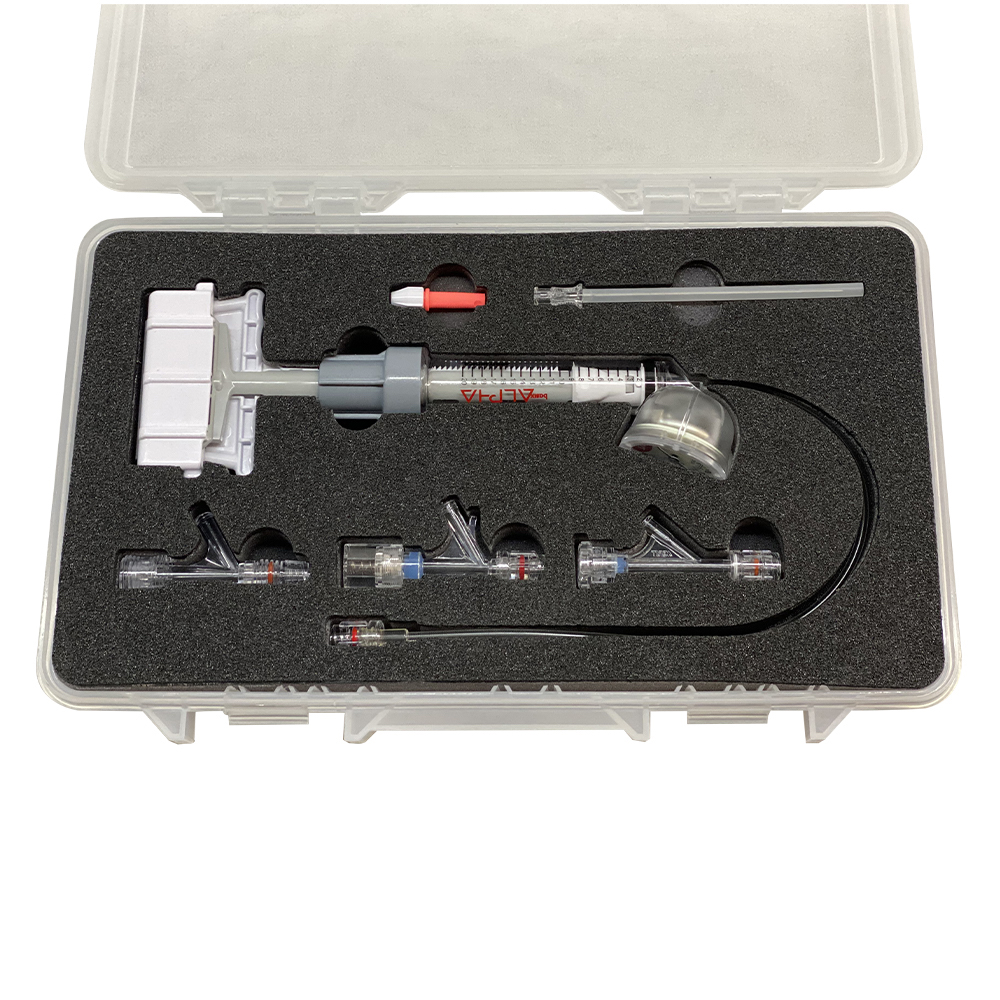
When equipment must be transported, stored, or displayed, protecting it from shock, vibration, and environmental contaminants is essential. Foam inserts provide a reliable, lightweight barrier that can be tailored to the exact dimensions and contours of any device, ensuring a snug fit that prevents movement and damage. By customizing the foam to the specific shape of the equipment, users gain enhanced protection, reduced wear, and a professional appearance for their cases.
Why Choose a Custom Foam Insert?
Standard, off-the-shelf foam solutions often leave gaps or apply uneven pressure, which can lead to points of stress on delicate components. A custom-cut foam insert addresses these shortcomings by:
- Conforming precisely to the equipment’s geometry.
- Absorbing impacts with consistent density throughout the case.
- Providing easy access for cables, ports, and ventilation.
- Allowing quick replacement if the foam becomes worn.
For a deeper dive into the benefits of tailored foam protection, Read more about this topic.
Materials and Density Options
The performance of a foam insert is largely determined by the type of foam and its density. Common choices include:
Closed-Cell Foam
- Water-resistant and prevents moisture ingress.
- Higher compressive strength, ideal for heavy or high-impact equipment.
- Provides a firm, supportive base that retains shape over time.
Open-Cell Foam
- More breathable, allowing air flow for heat-sensitive devices.
- Softer feel, suitable for lighter instruments or accessories.
- Typically less expensive, making it a good option for bulk applications.
Hybrid Foams
- Combine layers of closed- and open-cell materials for balanced protection.
- Can be engineered to meet specific vibration-damping requirements.
Design Process for a Perfect Fit
Creating a custom foam insert involves several steps that ensure the final product matches the equipment’s exact shape and functional needs.
- Measurement: Precise dimensions of the device are captured using digital calipers or 3-D scanning.
- CAD Modeling: A computer-aided design file is generated, highlighting cutouts for ports, buttons, and mounting points.
- Material Selection: Based on the equipment’s weight, fragility, and environmental exposure, the appropriate foam type and density are chosen.
- Cutting Technique: CNC routers or water-jet cutters produce clean, accurate patterns that follow the CAD model.
- Finishing: Edges are smoothed, and optional surface treatments (e.g., anti-static coating) are applied.
To explore the technical aspects of custom foam cutting, Learn more in this detailed guide.
Installation and Maintenance Tips
Even the best-designed foam insert requires proper handling to maintain its protective qualities.
- Secure Placement: Ensure the foam sits flush against all sides of the case; any gaps can compromise shock absorption.
- Regular Inspection: Check for compression set or tears after heavy use and replace as needed.
- Cleaning: Use a mild detergent and a soft brush; avoid harsh chemicals that could degrade the foam.
- Re-Cutting: When equipment upgrades occur, the existing foam can be re-cut to accommodate new dimensions.
Benefits Across Industries
Custom foam inserts are not limited to a single sector; they serve a wide range of applications:
- Medical Equipment: Protects sensitive diagnostic tools during transport between facilities.
- Audio-Visual Gear: Safeguards cameras, lenses, and lighting rigs from impact and dust.
- Industrial Tools: Secures power tools and measurement devices in rugged environments.
- Military & Defense: Provides reliable shock protection for navigation and communication units.
For additional insights on how custom foam solutions can be adapted to specific needs, Explore further insights here.
Cost Considerations
While a custom foam insert may have a higher upfront cost than a generic alternative, the long-term savings are significant:
- Reduced equipment repair or replacement expenses.
- Extended lifespan of both the case and the protected device.
- Lower shipping insurance premiums due to proven protection.
Conclusion
Investing in a custom foam insert transforms a simple case into a purpose-built protective enclosure. By selecting the appropriate material, employing precise design methods, and maintaining the foam properly, users can ensure their equipment remains safe, functional, and ready for use in any environment. The tailored approach not only enhances durability but also contributes to professional presentation and operational efficiency.