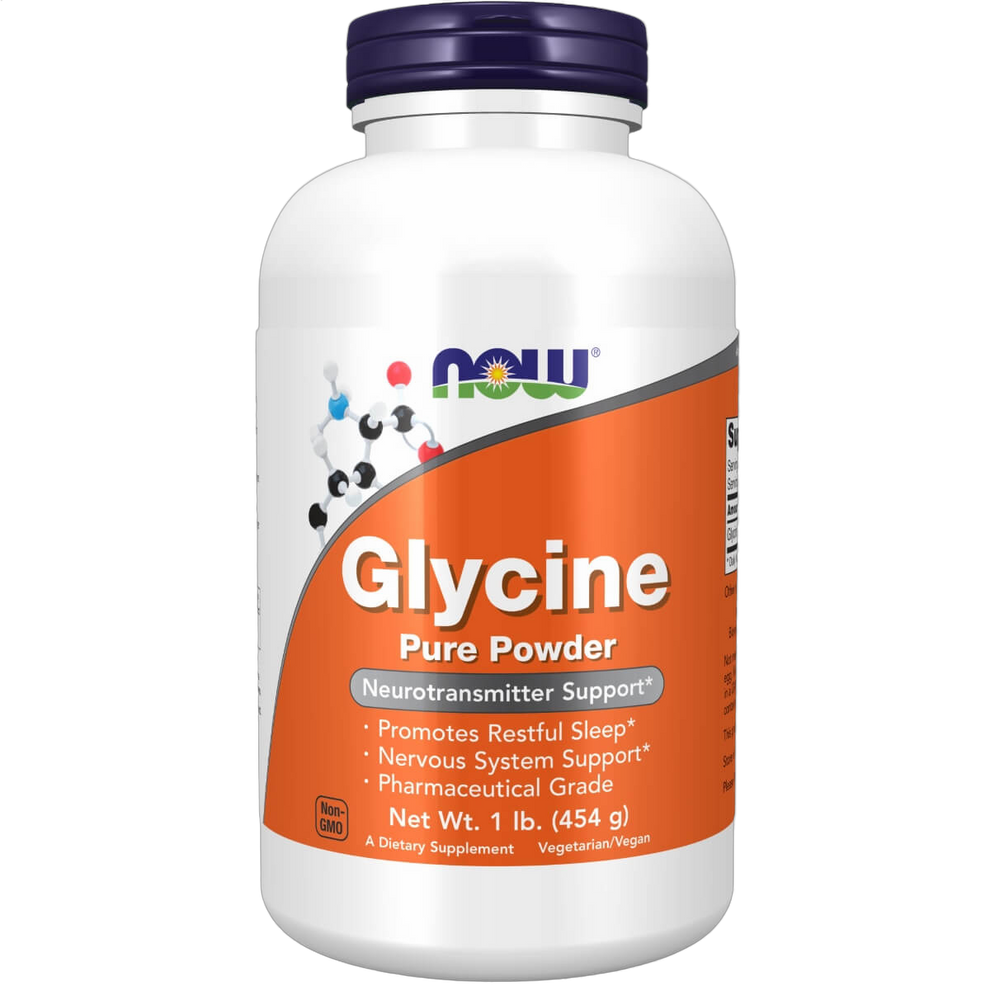
Glycine, the simplest of the protein-building amino acids, has moved from the laboratory bench to the supplement aisle in recent years. Its role goes far beyond supporting muscle tissue; it influences sleep quality, cognitive function, joint health, and even metabolic processes. For anyone considering adding a glycine supplement to their daily routine in the UK, understanding the science, expected outcomes, and practical usage is essential. This guide outlines the most relevant benefits, what to look for in a product, and how to maximise the results while staying safe.
Why Glycine Deserves a Spot in Your Supplement Regimen
Glycine is a non-essential amino acid, meaning the body can produce it, but dietary intake can still be beneficial, especially under stress or intense training. The following points summarise its key physiological actions:
- Neurotransmitter support: Acts as an inhibitory neurotransmitter, helping to calm neural activity and promote deeper sleep.
- Collagen synthesis: Provides the necessary building blocks for collagen, which is vital for skin elasticity, joint cartilage, and connective tissue.
- Detoxification: Contributes to the creation of glutathione, the body’s master antioxidant, aiding in the removal of free radicals.
- Blood-sugar regulation: Enhances insulin sensitivity and may reduce post-prandial glucose spikes.
- Gut health: Supports the intestinal lining and may reduce inflammation in the digestive tract.
Primary Benefits of a Glycine Supplement
Improved Sleep Quality
Research indicates that taking 3″?g of glycine about an hour before bedtime can shorten the time it takes to fall asleep and increase the proportion of deep, restorative sleep. The amino acid lowers core body temperature, a physiological cue that signals the brain it’s time to rest.
Enhanced Muscle Recovery and Joint Comfort
Because glycine is a major component of collagen, supplementing can accelerate the repair of tendons, ligaments, and cartilage after strenuous activity. Athletes often notice reduced joint stiffness and faster recovery when glycine is paired with a balanced protein intake.
Cognitive Sharpness and Mood Balance
Glycine modulates NMDA receptors, which are involved in learning and memory. Regular supplementation has been linked to modest improvements in short-term memory tasks and a calmer mood, particularly in individuals experiencing chronic stress.
Metabolic Support
By boosting glutathione levels, glycine helps protect cells from oxidative stress, a factor in insulin resistance. Some studies suggest that glycine can aid in maintaining healthy blood-sugar levels when combined with a low-glycaemic diet.
Choosing the Right Glycine Product in the UK
When searching for a reliable source, consider the following criteria to ensure quality and efficacy:
- Purity and testing: Look for third-party lab analysis confirming the absence of contaminants and accurate dosage.
- Formulation: Glycine is typically available as powder or tablets. Tablets offer convenience, while powder can be mixed into drinks for those who dislike swallowing pills.
- Dosage recommendations: Most evidence-based protocols use 2-3″?g per day, divided into two doses if taken for sleep and recovery.
- Reputable suppliers: Opt for brands that specialise in high-quality amino acid supplements and have a transparent supply chain.
For a convenient option, the glycine supplement range offers products formulated to UK standards, with clear labelling and third-party testing. Those seeking the most comprehensive choice can explore the best glycine supplement uk selections, which include both capsules and powder formats.
How to Incorporate Glycine Into Your Daily Routine
Integrating glycine effectively requires timing, dosage, and consistency. Below is a practical schedule that aligns with the most common benefits:
- Morning: 1″?g mixed into a smoothie or taken as a tablet to support collagen synthesis and metabolic health.
- Afternoon (pre-workout): Optional 0.5-1″?g to aid muscle recovery and reduce exercise-induced oxidative stress.
- Evening (30-60 minutes before bed): 3″?g of glycine, preferably in powder form dissolved in warm water, to promote sleep onset and quality.
Consistency is key. Benefits such as improved sleep and joint comfort typically become noticeable after 2-4 weeks of regular use.
Potential Side Effects and Safety Considerations
Glycine is generally well tolerated, but awareness of possible reactions ensures safe use:
- Digestive upset: Large single doses may cause mild nausea; splitting the dose can mitigate this.
- Interaction with medications: Individuals on antipsychotic or seizure medications should consult a healthcare professional before supplementing.
- Pregnancy and lactation: While glycine is a natural amino acid, pregnant or nursing individuals should seek medical advice prior to use.
Typical daily intakes of up to 5″?g are considered safe for healthy adults. As with any supplement, adherence to the manufacturer’s recommended dosage is advisable.
Frequently Asked Questions
Can glycine replace protein powders?
No. Glycine supports specific functions such as collagen formation and neurotransmission, but it does not provide the full spectrum of essential amino acids needed for muscle building. It should complement, not replace, a balanced protein intake.
Is there a difference between glycine tablets and powder?
The active ingredient is identical; the distinction lies in convenience and absorption speed. Powder can be absorbed slightly faster and allows precise dosing, while tablets are portable and eliminate the need for mixing.
How long does it take to see results?
Sleep improvements may be evident within a few nights, whereas joint and skin benefits typically require 4-6 weeks of consistent use.
Conclusion
Glycine offers a versatile suite of health benefits that align well with the demands of modern lifestyles, better sleep, enhanced recovery, cognitive steadiness, and metabolic support. Selecting a high-quality product, such as those found in the glycine tablets or broader glycine supplement uk collections, ensures that the supplement delivers the promised benefits without compromising safety. By following a structured dosing schedule and monitoring individual responses, users in the UK can confidently incorporate glycine into their daily regimen and experience measurable improvements in overall well-being.