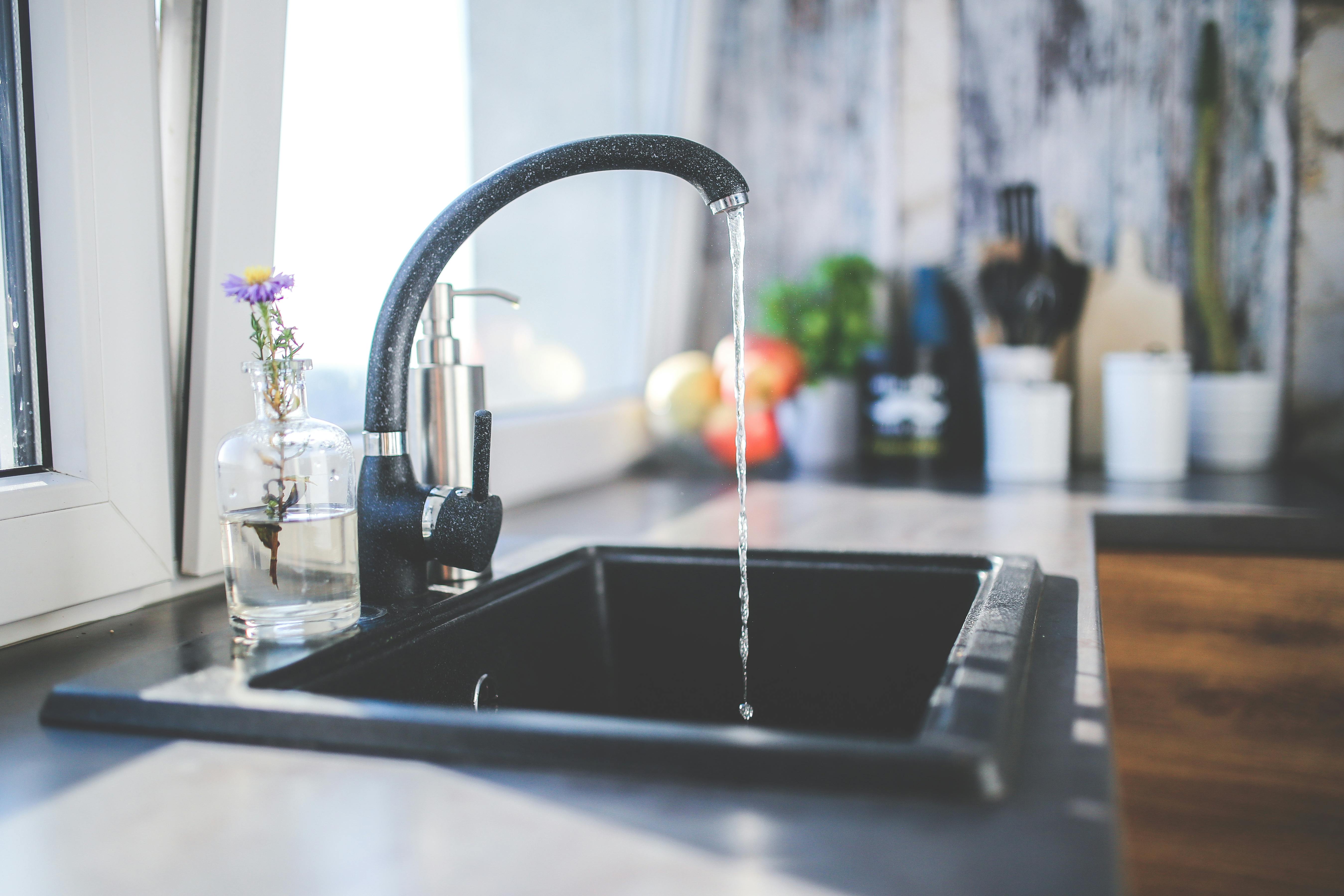
In Manitoba, water quality varies significantly across regions, with many homes experiencing hard water issues. Hard water, characterized by high levels of calcium and magnesium, can lead to several problems, including scale build-up in pipes, reduced efficiency of appliances, and dry skin or hair. To mitigate these issues, installing a water softener is a practical solution. Selecting the right water softener, however, requires careful consideration of several factors to ensure that it meets the specific needs of your home.
Understanding Your Water Hardness Level
Before proceeding with the purchase, understanding the hardness level of your water is crucial. Testing kits are available for home use, or professional services can provide a comprehensive analysis.
- Determine the hardness level in grains per gallon (GPG) or parts per million (PPM).
- Consider the size of your household and daily water usage to gauge the capacity required.
- Consult local resources or experts for regional water quality information, especially if you are considering water softener installation.
Types of Water Softeners
Salt-Based Ion Exchange Softeners
These are the most common and effective type of water softeners. They replace calcium and magnesium ions with sodium ions, softening the water efficiently. Suitable for homes with high levels of hardness, they do require periodic salt refilling.
Salt-Free Water Softeners
These systems use a different approach, conditioning water to prevent minerals from adhering to surfaces. While not as effective in softening water as their salt-based counterparts, they are a low-maintenance option for moderate hardness levels.
Dual-Tank Water Softeners
Ideal for large households or areas with very hard water, these systems have one tank in service while the other regenerates, ensuring a continuous supply of soft water.
Key Features to Consider
When choosing a home water softener, consider the following features to ensure optimum performance and convenience.
- Regeneration Cycle: Opt for a system with a programmable cycle to save water and salt.
- Capacity: Ensure the softener can handle your household’s water usage efficiently.
- Certification: Look for NSF/ANSI certifications to guarantee quality and reliability.
- Maintenance: Consider the ease of maintenance, including salt replenishment and cleaning.
Installation and Maintenance
Proper installation is key to ensuring the longevity and efficiency of your water softener. It is advisable to hire a professional for water softener Manitoba services to ensure correct setup and optimal performance. Regular maintenance, as per the manufacturer’s guidelines, will also help in sustaining the system’s efficiency.
Conclusion
Choosing the best water softener for your Manitoba home involves evaluating your specific needs and the characteristics of local water. With a variety of options available, from salt-based to salt-free systems, it is essential to consider factors such as capacity, maintenance, and installation requirements. By selecting the right water softener, homeowners can ensure a steady supply of soft water, leading to improved appliance efficiency, better skin and hair health, and overall enhanced water quality.