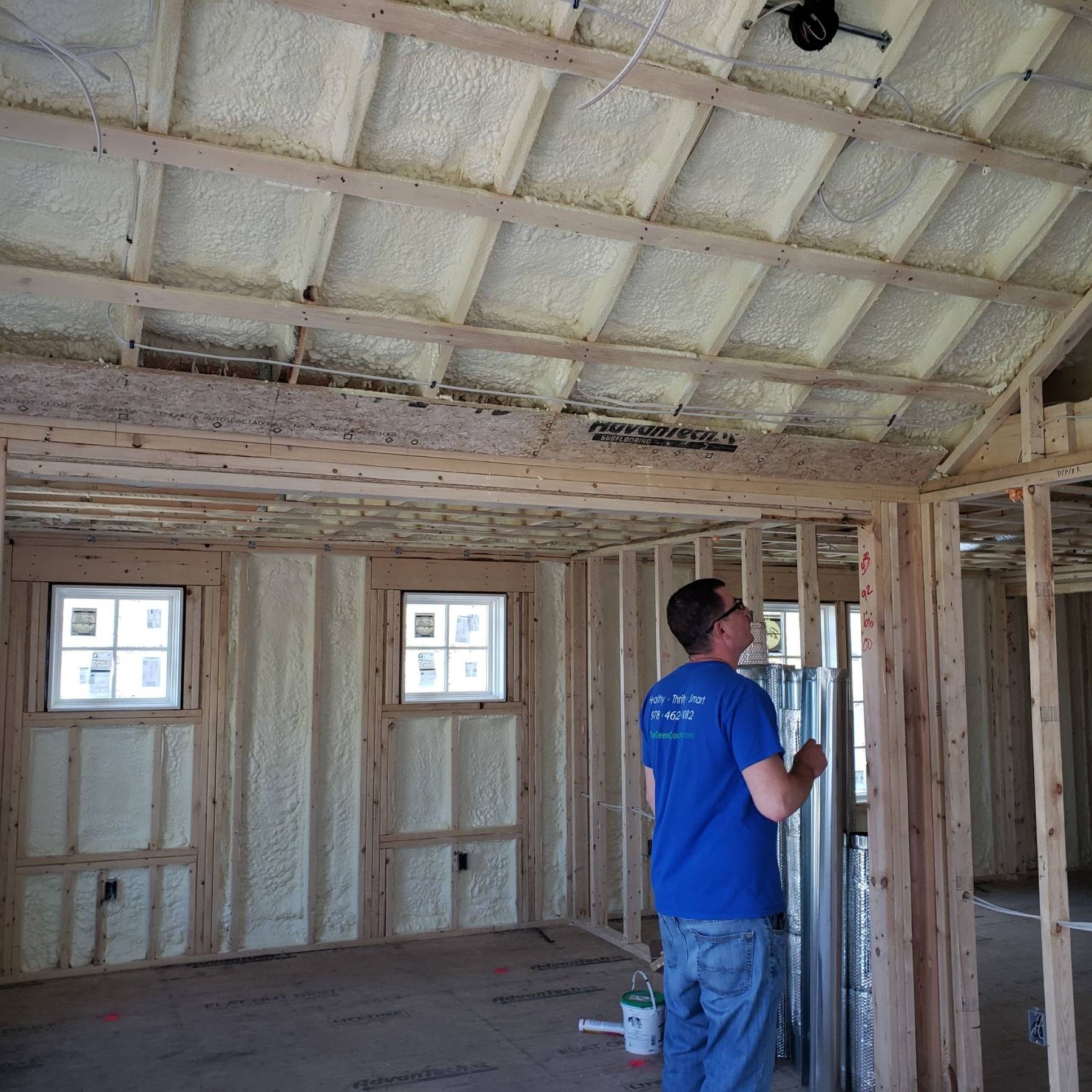
The pursuit of energy efficiency is a priority for homeowners seeking to reduce their utility costs and environmental impact. In Maine, where the climate can be quite harsh, effective insulation plays a crucial role in maintaining a comfortable and energy-efficient home environment. Insulation services in this region are designed to address a variety of needs, from minimizing heat loss in the winter to keeping homes cool in the summer. This article explores the benefits of insulation services, the types of insulation available, and how homeowners can make informed decisions about enhancing their home’s energy efficiency.
Benefits of Proper Insulation
Proper insulation offers numerous advantages that go beyond simple energy savings. Homeowners can expect:
- Increased Comfort: Insulation helps maintain a consistent indoor temperature, reducing drafts and cold spots.
- Lower Energy Bills: By minimizing heat loss in the winter and heat gain in the summer, insulation reduces the workload on heating and cooling systems.
- Environmental Impact: Energy-efficient homes require less energy from fossil fuels, reducing carbon footprints.
- Noise Reduction: Insulation can also dampen noise from outside, providing a quieter indoor environment.
For those interested in deepening their understanding of how insulation impacts energy efficiency, read more about this topic.
Types of Insulation
Fiberglass Insulation
Fiberglass insulation is one of the most common types found in homes. It is made from fine glass fibers and is available in batts or loose-fill form. This type is known for its affordability and ease of installation.
Spray Foam Insulation
Spray foam insulation, available in open-cell and closed-cell forms, offers superior air sealing and high R-values. It is ideal for hard-to-reach areas and provides excellent thermal resistance.
Cellulose Insulation
Made from recycled paper products, cellulose insulation is an eco-friendly option. It is treated with fire retardants for safety and is effective in reducing air leaks.
Each insulation type has its own set of benefits and applications. Learn more in this detailed guide to discover which option might be best suited for different homes.
Factors to Consider When Choosing Insulation
Selecting the right insulation involves considering several factors, including:
- Climate: The local climate plays a significant role in determining the R-value required for effective insulation.
- Home Structure: The design and age of the home can influence insulation choices.
- Budget: Different insulation types vary in cost, and budget constraints may impact the decision.
- Environmental Goals: For eco-conscious homeowners, the sustainability of insulation materials may be a priority.
Homeowners can explore further insights here to make informed decisions about their insulation needs.
Conclusion
Effective insulation is a cornerstone of energy efficiency and comfort in Maine homes. By understanding the benefits, types, and factors involved in choosing the right insulation, homeowners can make informed choices that align with their personal and environmental goals. Whether seeking to reduce energy bills, enhance comfort, or lessen environmental impact, insulation services offer significant benefits. Find additional information here to start your journey towards a more energy-efficient home.