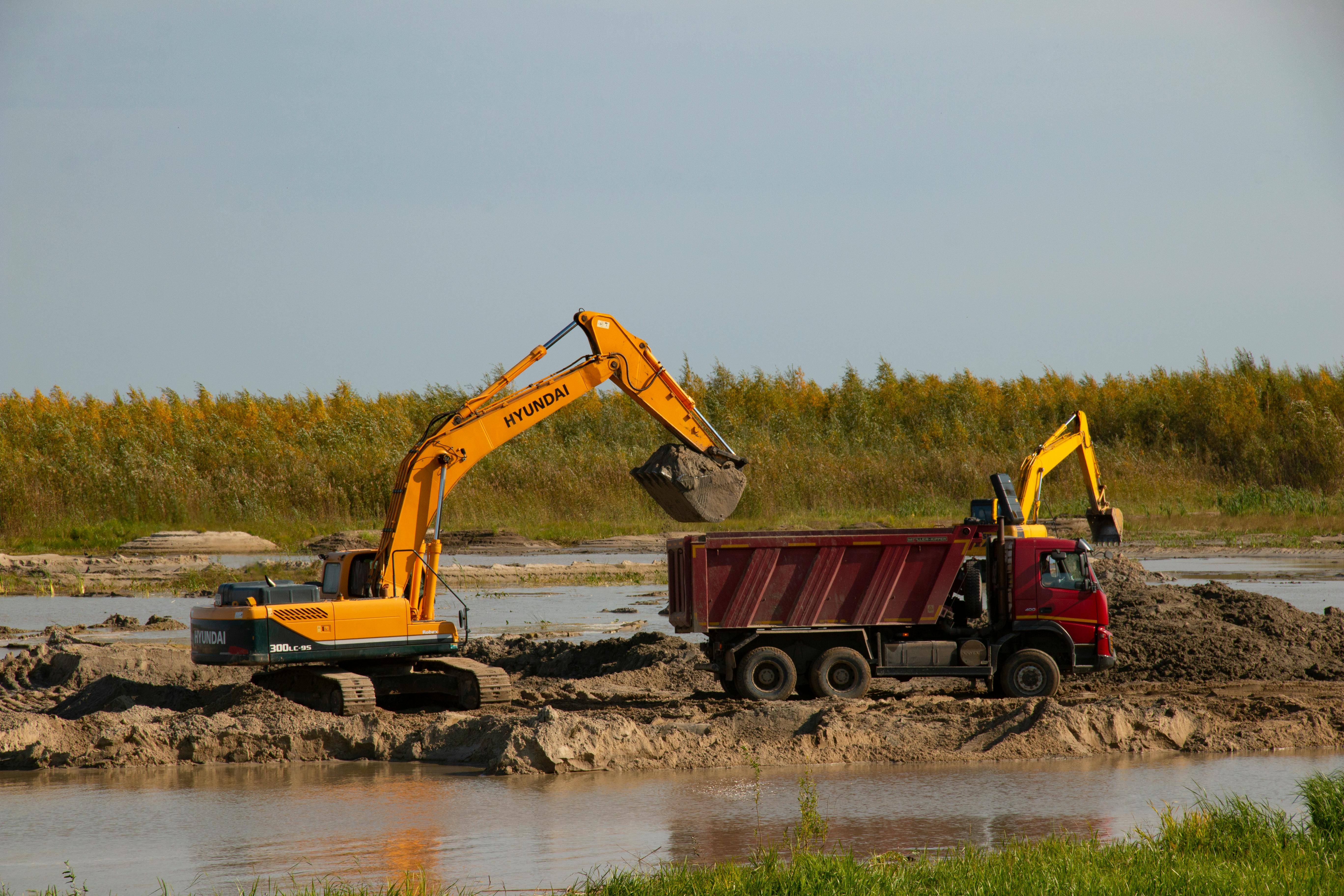
In the realm of construction and environmental management, amphibious excavators stand out as pivotal instruments. These specialized machines are designed to operate efficiently on both land and water, offering versatility unmatched by traditional excavators. As businesses and construction projects aim to maximize efficiency, understanding the capabilities and advantages of amphibious excavators is essential. This article delves into the applications, benefits, and strategic insights related to these machines, providing valuable information for industry professionals.
Understanding Amphibious Excavators
Amphibious excavators are engineered for challenging terrains, particularly those involving waterlogged and marshy areas. They are equipped with pontoon undercarriages that enhance their buoyancy and allow seamless movement through water and swampy environments.
Key Features and Benefits
- Adaptability to various terrains, making them suitable for a broad range of projects.
- Enhanced stability and safety due to their design, which reduces the risk of sinking or tipping over.
- Reduction in the need for additional supportive infrastructure, such as temporary roads or platforms, thus saving time and costs.
- Capability to perform in adverse weather conditions, which minimizes project delays.
For those interested in enhancing project outcomes, understanding how these features translate into operational success is crucial. Find out more about this approach by exploring industry-specific strategies.
Applications in Construction and Environmental Management
Amphibious excavators are versatile and find applications in various industries. Their ability to traverse difficult terrains makes them invaluable in the following areas:
- Dredging and Canal Work: Ideal for maintaining waterways, these machines efficiently remove sediment and debris.
- Wetland Restoration: They play a critical role in environmental projects that aim to restore natural habitats.
- Flood Control: Amphibious excavators are instrumental in constructing and maintaining levees and flood barriers.
- Pipeline Construction: Their ability to operate in submerged conditions makes them perfect for laying underwater pipelines.
To explore advanced guides and tips on applying these machines in specific projects, learn about our tailored solutions.
Strategies for Maximizing Efficiency
To fully capitalize on the capabilities of amphibious excavators, implementing strategic approaches is necessary. Here are some expert strategies to consider:
Optimal Machine Selection
Selecting the right model for specific project requirements ensures maximum efficiency. Factors to consider include:
- The depth and type of water body.
- The nature of the soil or sediment.
- The specific tasks to be performed, such as digging, lifting, or transporting materials.
For more detailed advice on selecting the appropriate machinery, discover expert strategies here.
Maintenance and Training
Regular maintenance of the machinery guarantees prolonged operational efficiency. Moreover, training operators on the unique functionalities of amphibious excavators enhances productivity and safety.
- Implement a regular maintenance schedule to prevent breakdowns.
- Invest in training programs for operators to familiarize them with the equipment’s unique features.
Conclusion
Amphibious excavators represent a significant advancement in construction and environmental management technology. Their ability to operate in diverse and challenging environments makes them indispensable for projects that require both land and water-based operations. By understanding their applications and implementing strategic operational practices, businesses can significantly enhance their efficiency and project outcomes. For those seeking further insights into leveraging these machines, explore advanced guides and tips on industry best practices.