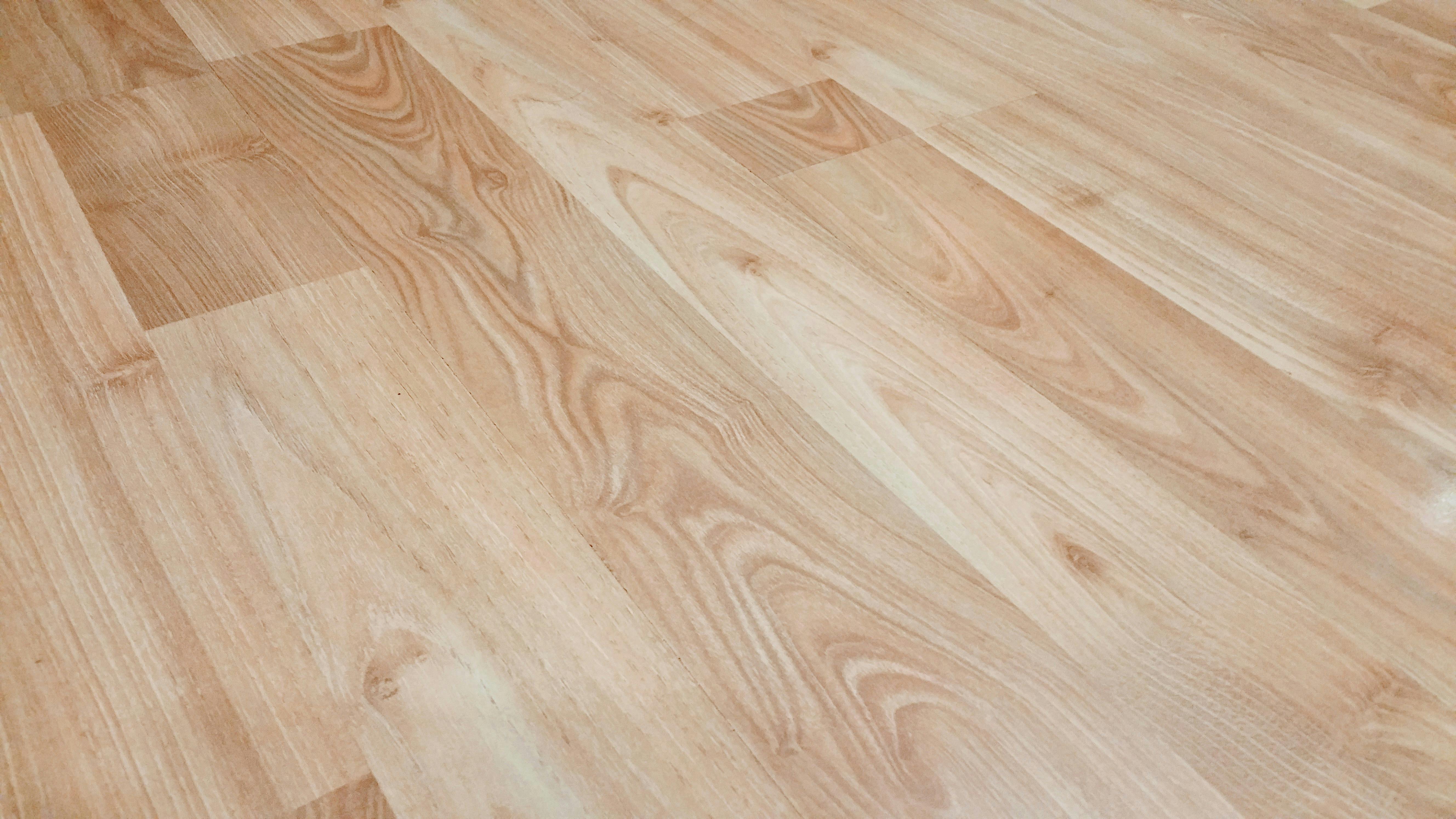
Incorporating radiant heat into hardwood flooring has revolutionized how homes are heated, marrying aesthetics with functionality. This innovative approach to home heating has gained traction for its ability to provide even warmth while enhancing the elegance of natural wood floors. Radiant heat flooring systems are both a cozy and efficient option, offering an unparalleled level of comfort and energy efficiency. This article explores the advantages, installation considerations, and maintenance strategies for radiant heat hardwood flooring.
Understanding Radiant Heat Systems
Radiant heating systems work by circulating warm water or electric currents beneath the flooring, which then radiates warmth upwards. This method of heating is highly efficient as it directly warms the floor and objects in the room, rather than merely heating the air.
Types of Radiant Heat Systems
- Hydronic Systems: These use hot water running through tubes beneath the floor. They are ideal for larger areas and are known for their efficiency in distributing heat evenly.
- Electric Systems: Primarily used in smaller spaces, these systems involve electric cables or mats installed underneath the flooring. They are easier to install but can be more costly to operate.
To explore advanced guides and tips on selecting the right radiant heat system, you can find out more about this approach.
Advantages of Radiant Heat Hardwood Flooring
Energy Efficiency
Radiant heat systems are renowned for their energy efficiency. By directly warming surfaces and maintaining consistent temperatures, they reduce the reliance on forced-air systems, which can lead to heat loss and increased energy consumption.
- Reduced energy costs due to more efficient heat distribution.
- Consistent and comfortable temperatures throughout the living space.
For more information on energy efficiency strategies, discover expert strategies here.
Comfort and Aesthetic Appeal
In addition to efficiency, radiant heat flooring enhances comfort. There are no cold spots, and the natural warmth of wood combined with radiant heat creates an inviting ambiance. Moreover, without the need for visible radiators or vents, homeowners can enjoy uninterrupted aesthetic appeal.
- Silent operation, as there are no blowers or fans.
- Allergy-friendly, reducing dust and allergens compared to forced-air systems.
Installation Considerations
When installing radiant heat beneath hardwood floors, several factors need to be considered to ensure proper integration and effectiveness.
Choosing the Right Wood
Not all types of wood are ideal for radiant heat systems. It is crucial to select hardwood that can withstand the temperature changes without warping.
- Engineered Wood: Known for its stability, engineered wood is less prone to warping and is a popular choice for radiant heat.
- Hardwood Species: Certain species, such as oak or hickory, perform better under heat than others.
Learn about tailored solutions for wood selection and installation techniques by exploring advanced guides and tips.
Professional Installation
Professional installation is recommended to ensure that the heating system is correctly integrated with the hardwood flooring. Specialists can address potential challenges such as moisture barriers, subfloor preparation, and system calibration.
Maintenance and Care
Maintaining radiant heat hardwood floors involves typical hardwood care, with special attention to moisture management and temperature regulation.
- Regularly monitor and adjust thermostat settings to prevent overheating.
- Use appropriate cleaning products to maintain the wood”?s finish.
- Periodically inspect the heating system for leaks or malfunctions.
For comprehensive maintenance strategies, learn about our tailored solutions.
Radiant heat hardwood flooring offers a blend of comfort, efficiency, and style, making it an attractive option for modern homes. By understanding the system types, advantages, and installation considerations, homeowners can make informed decisions that enhance their living spaces while optimizing energy use.