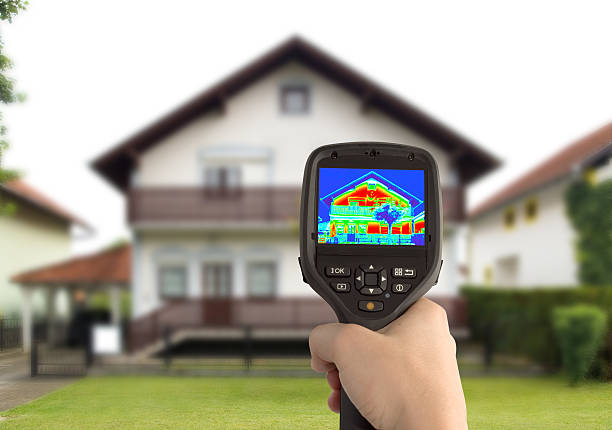
Homeowners across the globe are constantly seeking ways to reduce their energy bills and minimize their environmental impact. One of the most effective methods to achieve both goals is through the use of quality insulation. Proper insulation not only reduces the amount of heat lost during the winter and heat gained during the summer but also contributes to a more comfortable living environment. With the right insulation materials and techniques, homeowners can significantly lower their energy consumption and save money in the long run.
The Importance of Quality Insulation
Insulation plays a critical role in maintaining the energy efficiency of a home. It acts as a barrier to heat flow, helping to keep heat inside during the winter and outside during the summer. This means that less energy is required to maintain a comfortable temperature, leading to reduced energy bills and a smaller carbon footprint.
Benefits of Insulation
- Energy Savings: By installing energy efficient insulation, homeowners can reduce their heating and cooling costs by up to 20%.
- Enhanced Comfort: Proper insulation ensures a consistent indoor temperature, eliminating drafts and cold spots.
- Environmental Impact: Reducing energy consumption lowers greenhouse gas emissions, contributing to a healthier planet.
- Noise Reduction: Insulation also acts as a sound barrier, reducing noise pollution from outside sources.
Types of Insulation Materials
There are various types of insulation materials available, each with its unique properties and applications. The choice of material depends on factors such as climate, building design, and budget.
Common Insulation Materials
- Fiberglass: One of the most popular choices, fiberglass insulation is known for its affordability and effectiveness. It is composed of fine glass fibers and is available in batts or loose-fill forms.
- Spray Foam: This type of insulation expands on application, sealing any gaps and providing excellent thermal resistance. It is ideal for hard-to-reach areas.
- Cellulose: Made from recycled paper products, cellulose is an eco-friendly option that provides good thermal performance.
- Rigid Foam Boards: These boards provide high insulation value and are commonly used in basements and exterior walls.
Installation Tips for Maximum Efficiency
To maximize the benefits of insulation, it is essential to ensure proper installation. Here are some tips to consider:
Effective Installation Practices
- Seal all air leaks before installing insulation to prevent heat loss.
- Ensure that the insulation is evenly distributed and without gaps.
- Consider professional installation for complex areas or large projects.
- Regularly check and maintain insulation to ensure its effectiveness over time.
Conclusion
Investing in quality insulation is a smart move for any homeowner looking to save money and energy. By reducing energy consumption, enhancing comfort, and minimizing environmental impact, insulation offers numerous benefits. When choosing insulation materials and techniques, consider consulting with professionals to ensure optimal results. For those interested in exploring energy efficient insulation options, there are many resources available to guide the decision-making process. By prioritizing insulation, homeowners can enjoy a more sustainable and cost-effective living environment.