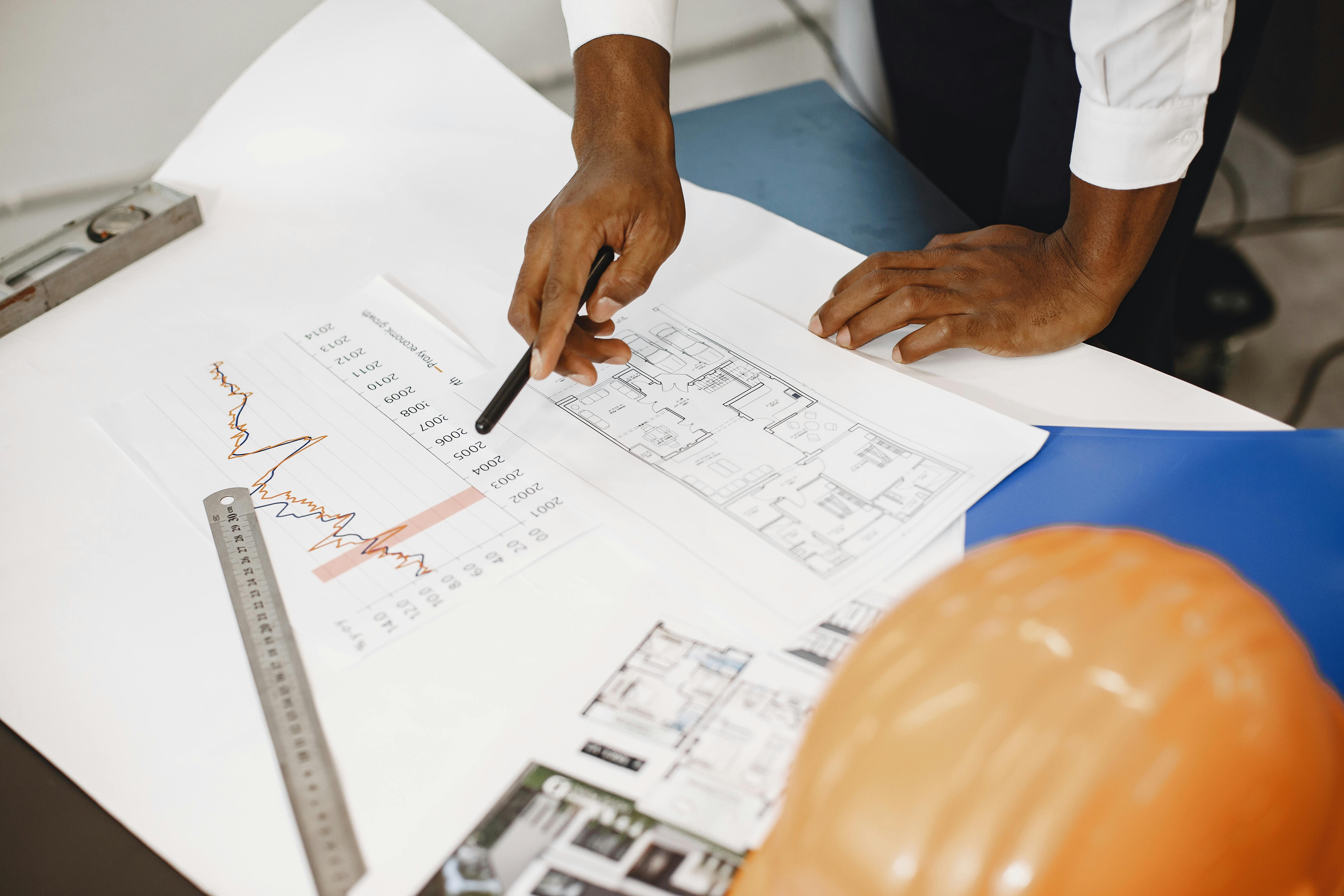
In the fast-paced world of construction, efficient project management is paramount to success. One of the most critical aspects of managing construction projects is precise cost estimation. Accurate estimates not only ensure that projects are completed within budget but also help in maintaining timelines and quality. The complexity of modern construction projects necessitates a detailed approach to estimating costs, which involves analyzing various factors from materials and labor to unforeseen contingencies. Understanding the nuances of cost estimation in construction projects can significantly streamline operations and enhance project outcomes.
The Importance of Accurate Cost Estimation
Accurate cost estimation serves as the backbone of any successful construction project. It provides a framework for decision-making and resource allocation. Here are some key reasons why precise cost estimation is crucial:
- Budget Management: Helps in setting a realistic budget, ensuring that resources are utilized efficiently without overspending.
- Risk Mitigation: Identifies potential financial risks early, allowing for strategic planning and allocation of contingency funds.
- Project Planning: Facilitates detailed project scheduling and resource planning, minimizing delays and disruptions.
- Stakeholder Confidence: Boosts confidence among stakeholders by demonstrating a clear understanding of project scope and costs.
Essential Components of Cost Estimation
To achieve precision in construction cost estimating, several components must be considered:
Direct Costs
These are costs directly tied to the construction process, including:
- Materials: The cost of construction materials such as concrete, steel, and wood.
- Labor: Wages and benefits for construction workers, which can vary based on skill level and location.
- Equipment: Costs associated with the rental or purchase of construction equipment.
Indirect Costs
Indirect costs are not directly accountable to a specific task or component but are necessary for the completion of the project:
- Administrative Expenses: Costs related to project management, supervision, and other administrative tasks.
- Legal and Compliance Fees: Expenses for permits, licenses, and compliance with regulations.
- Insurance: Costs to cover potential liabilities and damages.
Advanced Techniques for Improved Cost Estimation
Incorporating advanced techniques and technology can greatly enhance the accuracy of cost estimation services:
- Building Information Modeling (BIM): Utilizes 3D modeling to provide detailed insights into material quantities and project timelines.
- Software Solutions: Leverages specialized software for cost estimation, which offers greater precision and efficiency.
- Historical Data Analysis: Uses data from previous projects to forecast costs and identify potential savings.
Challenges in Cost Estimation
Despite advances in technology, several challenges persist in building cost estimates:
- Market Fluctuations: Changes in market prices for materials and labor can impact estimates.
- Project Complexity: Large-scale projects with multiple stakeholders can complicate cost predictions.
- Unforeseen Events: Natural disasters, economic downturns, or political instability can disrupt project timelines and costs.
Conclusion
In conclusion, precise cost estimation in construction projects is essential for the successful completion of construction projects. By understanding the components of cost estimation and utilizing advanced tools and techniques, project managers can mitigate risks and ensure that projects are delivered on time and within budget. As the construction industry continues to evolve, embracing innovation in cost estimation will be key to staying competitive and achieving sustainable growth.