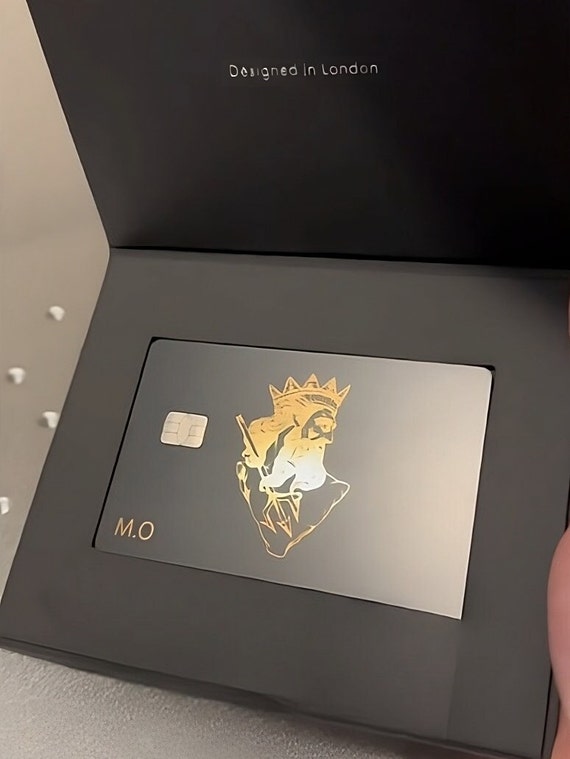
In today’s competitive market, standing out requires more than just a memorable logo or a catchy tagline. Physical touchpoints, especially payment and identification cards, have become powerful branding tools. Metal cards, with their durability and premium feel, offer a tangible way to convey quality and trust. This article explores the key benefits of using Custom Metal Cards, highlighting why they are gaining traction across industries ranging from finance to hospitality.
Enhanced Brand Perception
Metal cards instantly signal exclusivity and sophistication. When a client receives a card that feels solid and weighty, the perceived value of the associated brand rises. This perception boost can lead to:
- Higher customer loyalty and repeat business.
- Increased willingness to pay premium prices.
- Positive word-of-mouth referrals.
Durability and Longevity
Unlike traditional plastic cards that bend, crack, or fade, metal cards are built to withstand daily wear and tear. Their resilience translates into practical advantages:
- Reduced replacement costs over time.
- Consistent brand representation, no fading logos or worn-out text.
- Better performance in extreme environments (heat, cold, moisture).
Security Features
Metal’s inherent strength allows for the integration of advanced security elements without compromising comfort. Common enhancements include:
- Embedded RFID or NFC chips for contactless transactions.
- Laser-etched serial numbers that are difficult to replicate.
- Holographic overlays and UV-reactive inks for added verification.
Design Flexibility
Despite their robust nature, metal cards offer a wide canvas for creative expression. Designers can experiment with:
- Full-color printing, embossing, and debossing.
- Unique edge finishes, brushed, polished, or matte.
- Custom shapes and cut-outs to match brand motifs.
For businesses seeking a truly bespoke solution, exploring Custom Metal Cards provides a platform to translate brand identity into a tactile experience.
Environmental Considerations
While metal production does have an environmental footprint, many manufacturers now use recycled alloys and sustainable processes. The extended lifespan of metal cards means fewer resources are consumed compared to frequently replaced plastic alternatives.
Use Cases Across Industries
Financial Services
Premium credit and debit cards benefit from metal’s prestige, encouraging higher spend thresholds and reinforcing customer trust.
Hospitality & Loyalty Programs
Hotels and airlines issue metal membership cards that double as status symbols, driving repeat visits and brand advocacy.
Corporate Identity
Executive access badges and employee ID cards crafted from metal convey professionalism and enhance security protocols.
Implementation Tips
To maximize the impact of metal cards, consider the following best practices:
- Consistent Branding: Align colors, fonts, and logos with existing brand guidelines.
- Weight Management: Choose a thickness that feels substantial yet comfortable for everyday use.
- Testing: Conduct durability and compatibility tests with existing card readers before full rollout.
Conclusion
Investing in Custom Metal Cards offers a strategic advantage that blends aesthetics, durability, and security. By delivering a premium physical touchpoint, brands can elevate perception, foster loyalty, and differentiate themselves in a crowded marketplace. As technology and design continue to evolve, metal cards stand ready to adapt, ensuring that the brand’s message remains as solid as the material itself.