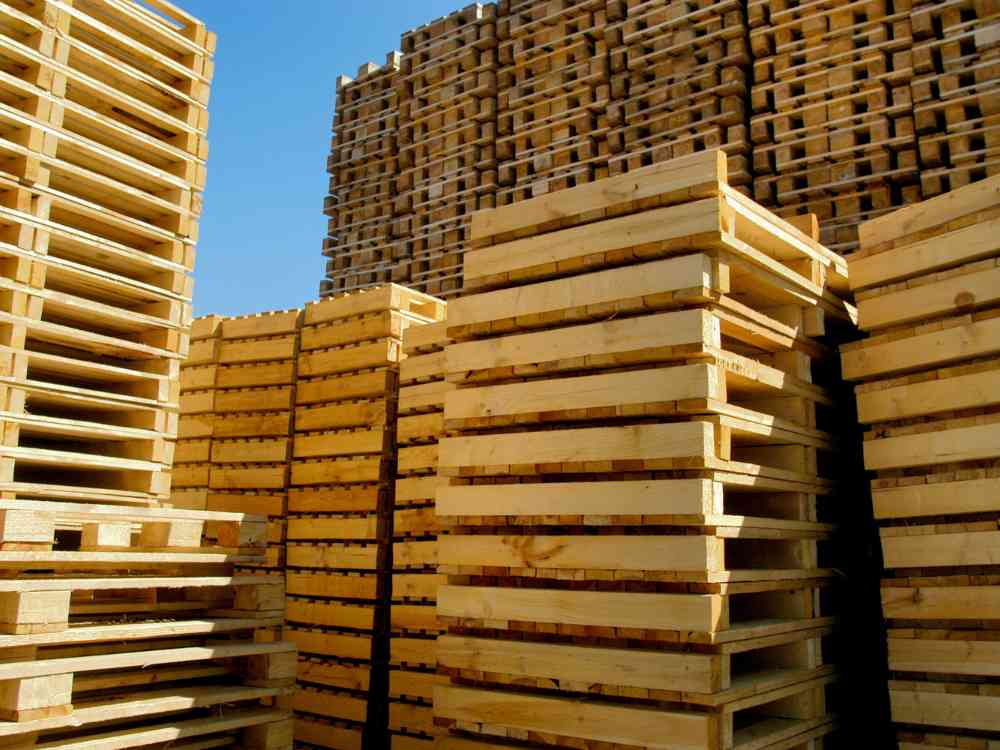
In the realm of international shipping, adhering to regulations and maintaining the integrity of goods are paramount. One of the critical components that ensure compliance and safety during transit is the use of ISPM-15 heat treated pallets. These pallets are not just a means of transporting goods; they are a requirement for global trade that influences the efficiency and effectiveness of supply chains worldwide. Understanding the significance of ISPM-15 standards and the role of heat treated pallets in international logistics is essential for businesses aiming to expand their reach across borders.
Understanding ISPM-15 Standards
The International Standards for Phytosanitary Measures No. 15 (ISPM-15) is a regulation that addresses the need to treat wood packaging materials to prevent the spread of pests and diseases. This standard is crucial for protecting the ecological balance of importing countries and maintaining the health of their agricultural and forest resources.
Key aspects of ISPM-15 include:
- Mandatory treatment of wood packaging materials, such as pallets, crates, and dunnage, before international shipment.
- Heat treatment or fumigation with methyl bromide as approved methods to eliminate pests.
- Marking of treated pallets with the ISPM-15 compliant stamp, indicating the treatment method used.
- Regular inspections by authorities to ensure compliance with international standards.
The Advantages of Heat Treated Pallets
Choosing heat treated pallets offers several benefits beyond regulatory compliance. These advantages enhance the overall logistics operations and contribute to sustainable and efficient shipping solutions.
Protection from Pests
Heat treatment effectively eliminates insects, larvae, and other microorganisms that may reside in the wood. This process reduces the risk of pest infestation during transit, safeguarding the products and the ecosystem of the destination country.
Durability and Strength
The heat treatment process improves the structural integrity of the wood, enhancing the strength and durability of the pallets. This ensures that the pallets can withstand the rigors of long-distance shipping and handling without compromising on quality.
Environmental Responsibility
By opting for heat treated pallets, businesses contribute to environmental conservation by preventing the introduction of invasive species. Additionally, the process does not involve chemical treatments, making it an eco-friendly option for international shipping.
Compliance and Risk Management
Utilizing ISPM-15 pallets is a proactive approach to managing risks associated with international shipping. Non-compliance can lead to serious repercussions, including fines, shipment delays, or even rejections at borders.
To ensure seamless logistics operations, businesses should:
- Regularly verify the compliance of their pallet suppliers with ISPM-15 standards.
- Maintain records of treatment and certification for all pallets used in international shipments.
- Stay updated with changes in regulations and standards related to wood packaging materials.
Conclusion
The importance of ISPM-15 heat treated pallets in international shipping cannot be overstated. These pallets are integral to maintaining the integrity of goods, ensuring compliance with global regulations, and protecting the environment from invasive species. As businesses look to expand their global footprint, understanding and implementing ISPM-15 standards effectively will be a key component of successful international trade.