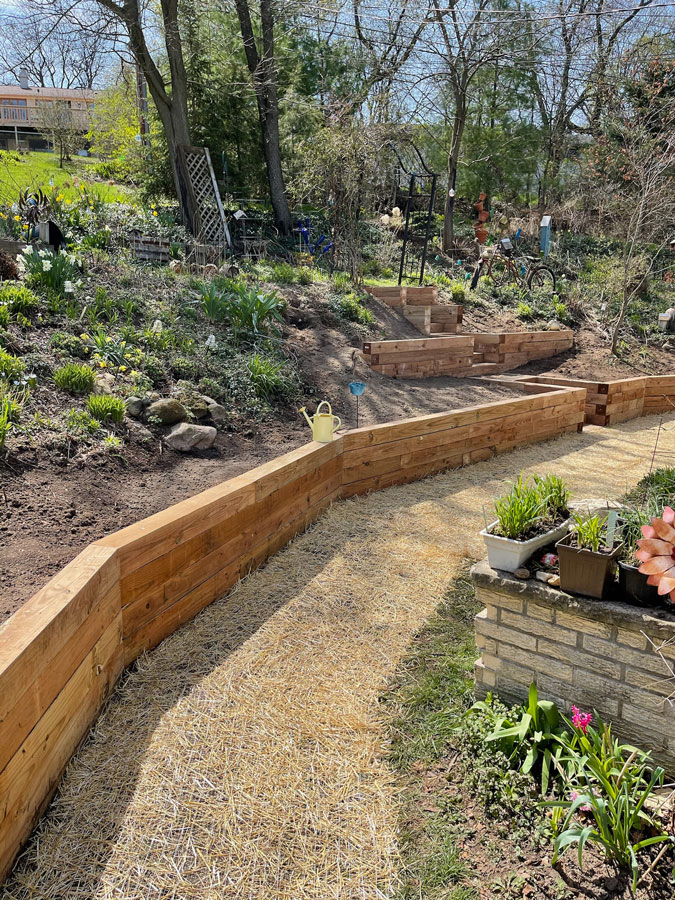
Wood retaining walls have long been a favored choice for landscape architects and homeowners alike, providing both functionality and aesthetic appeal. While trends in landscaping materials come and go, wood retains a timeless charm that complements various architectural styles. This article delves into the benefits of wood retaining walls, best practices for their construction, and how they can enhance outdoor spaces effectively.
Benefits of Wood Retaining Walls
Wood retaining walls offer a variety of advantages that make them a popular choice for both residential and commercial landscapes. Understanding these benefits can guide better decision-making for landscape projects.
- Natural Aesthetic: Wood naturally blends with outdoor environments, providing a warm and inviting appearance. Its organic texture and color variations can enhance the beauty of gardens and yards.
- Cost-Effectiveness: Compared to other materials, wood is often more affordable. This makes it an attractive option for those looking to manage costs while achieving a high-quality finish.
- Ease of Installation: Wood retaining walls are relatively straightforward to install, making them a practical choice for DIY enthusiasts and professionals alike.
- Versatility: Wood can be cut and shaped to fit various design specifications, allowing for customization and creative landscaping solutions.
Best Practices for Wood Retaining Wall Construction
Constructing a wood retaining wall requires careful planning and execution to ensure longevity and structural integrity. Below are best practices to consider when building a wood retaining wall.
Choosing the Right Wood
Selecting the right type of wood is crucial for the durability of the retaining wall. Pressure-treated wood is recommended due to its resistance to moisture and pests. Learn about our tailored solutions for choosing the best wood types.
Proper Drainage Systems
Implementing an effective drainage system is essential to prevent water accumulation behind the wall, which can cause structural failure. Ensure that drainage pipes and gravel backfill are part of the wall’s design to facilitate water movement. Discover expert strategies here for effective drainage systems.
Structural Support Considerations
For walls over a certain height, additional structural support may be necessary. This can include using deadmen anchors or tiebacks to improve stability. Consulting with professionals can provide insights on the best support systems for specific projects. Find out more about this approach to reinforcing structures.
Enhancing Outdoor Spaces with Wood Retaining Walls
Wood retaining walls do more than prevent soil erosion; they transform landscapes into functional and visually appealing areas. Here”?s how wood retaining walls can enhance outdoor spaces.
- Creating Terraced Gardens: Retaining walls can be used to create different levels in a garden, adding depth and dimension. This is particularly useful for sloped areas where planting is challenging.
- Defining Outdoor Spaces: Use retaining walls to delineate different areas in a yard, such as separating a play area from a garden or creating a cozy seating nook.
- Incorporating Seating: The top of a retaining wall can be used as a seating area, providing functionality and space efficiency. This is an ideal solution for small yards.
For more detailed guidance on utilizing wood retaining walls in landscaping projects, explore advanced guides and tips that can help you achieve the desired results.
In conclusion, wood retaining walls remain a versatile and aesthetically pleasing choice for modern landscapes. By adhering to best practices and exploring tailored solutions, they can enhance the beauty and functionality of any outdoor space. Whether it”?s for a residential garden or a commercial project, the enduring appeal of wood ensures its place in landscape design for years to come.