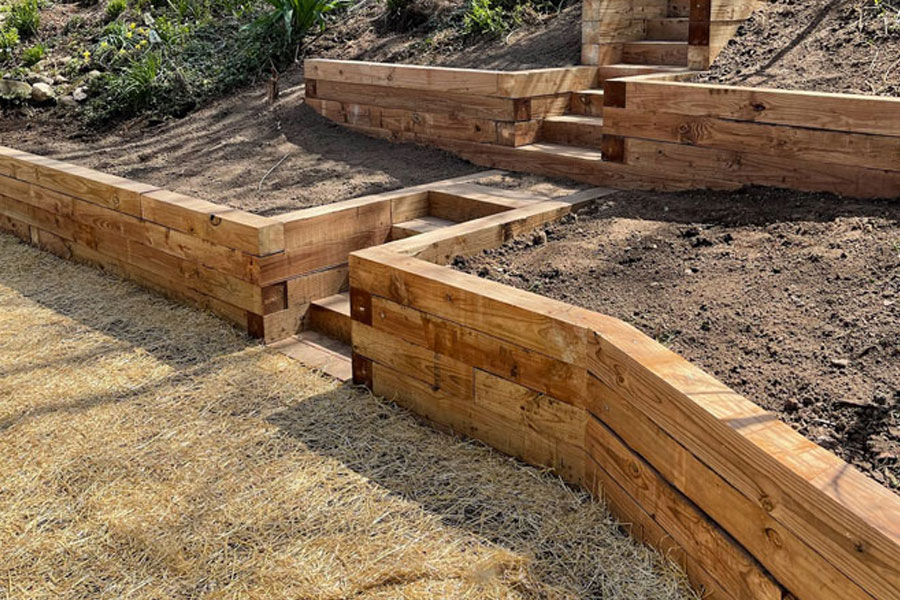
Wood retaining walls have been a staple in landscaping for generations, offering both functional and aesthetic benefits. These structures are not just simple barriers; they are architectural elements that can redefine the look and feel of outdoor spaces. Their natural appearance blends seamlessly with gardens, yards, and parks, making them a popular choice among homeowners and landscape architects alike. The versatility and timeless appeal of wood retaining walls ensure they remain relevant even as design trends evolve. For those considering adding a retaining wall to their property, understanding the benefits and considerations of using wood can provide valuable insights into making an informed decision.
The Benefits of Wood Retaining Walls
Wood retaining walls offer several advantages that make them a preferred choice for many landscaping projects:
- Natural Aesthetic: Wood provides a warm, natural look that complements outdoor environments, enhancing the visual appeal of gardens and yards.
- Cost-Effectiveness: Compared to other materials, wood is often more affordable, making it an economical option for extensive landscaping projects.
- Ease of Installation: Wood retaining walls are generally easier and quicker to install than stone or concrete alternatives.
- Environmental Friendliness: Using sustainably sourced timber can reduce the environmental impact, aligning with eco-conscious landscaping practices.
For those interested in sustainable landscaping designs, find out more about this approach.
Considerations When Choosing Wood Retaining Walls
While wood retaining walls offer numerous benefits, there are also considerations to keep in mind to ensure longevity and functionality:
- Durability: Wood is susceptible to rot and pest damage. Selecting treated timber or naturally resistant wood species can mitigate these issues.
- Maintenance: Regular maintenance, such as sealing and staining, is necessary to preserve the wood’s appearance and structural integrity.
- Climate Suitability: In regions with high humidity or frequent rainfall, additional protective measures may be required to prevent water damage.
Learn about our tailored solutions for enhancing the durability of wood retaining walls.
Design Flexibility and Customization
One of the standout features of wood retaining walls is their design flexibility. They can be customized to fit various design aesthetics and functional requirements:
- Variety of Styles: Wood retaining walls can be built in different styles, including straight, curved, or tiered designs, to match the landscape’s contours.
- Color Variations: The natural hues of different wood species or the application of stains and finishes provide a wide range of color options.
- Integration with Other Elements: Wood retaining walls can seamlessly integrate with other landscaping elements such as pathways, patios, and garden beds.
Explore advanced guides and tips for customizing wood retaining walls to suit specific design needs.
Conclusion
The timeless appeal of wood retaining walls lies in their ability to enhance outdoor spaces with natural beauty, functionality, and adaptability. By carefully considering factors such as material selection, maintenance, and design, homeowners and professionals can create stunning landscapes that stand the test of time. For more insights and guidance on incorporating wood retaining walls into landscaping projects, discover expert strategies here.