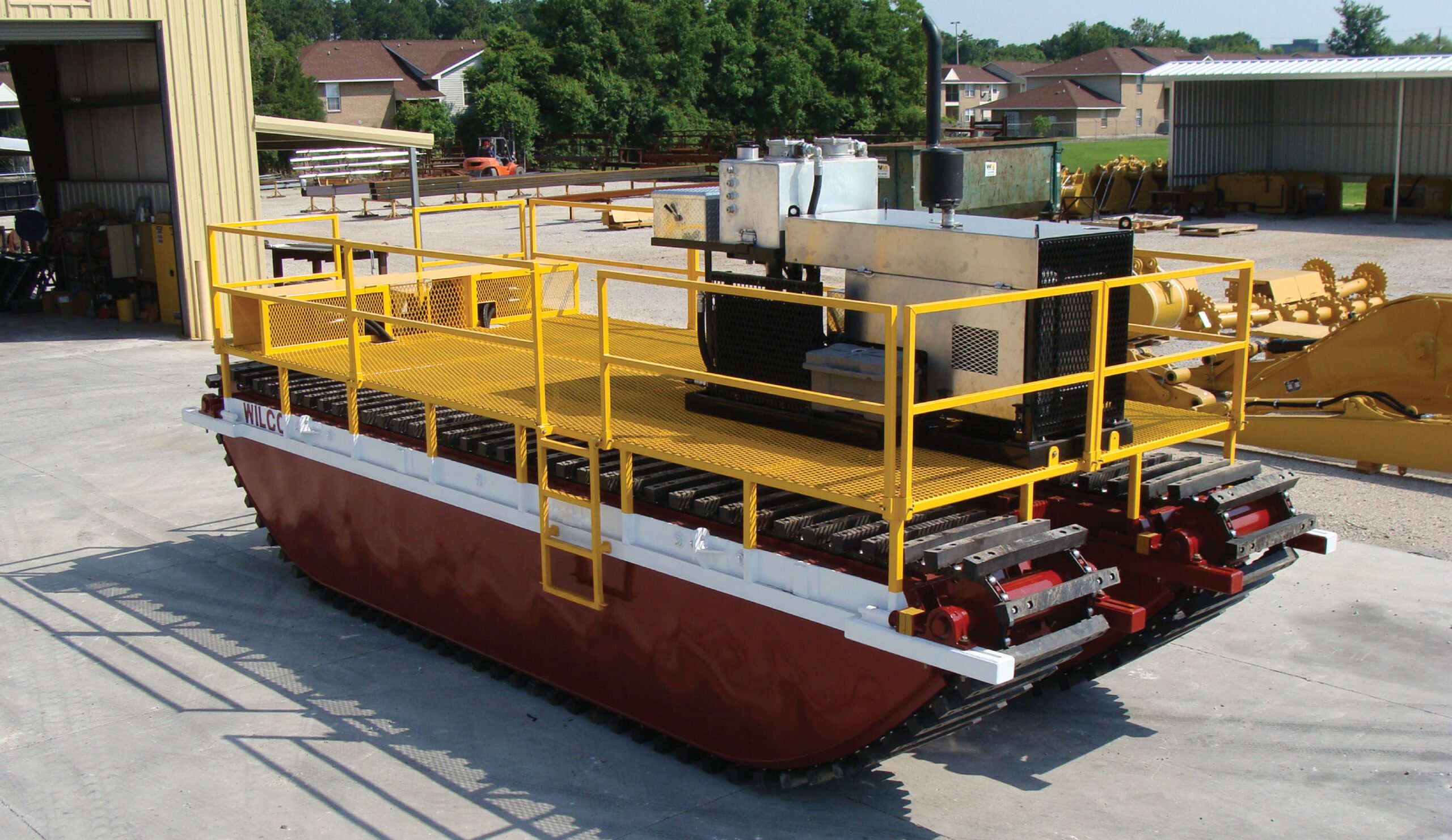
Amphibious equipment manufacturing is a specialized field focusing on the design and production of machinery capable of operating in both terrestrial and aquatic environments. This type of equipment is essential for industries such as construction, dredging, and environmental reclamation, where challenging terrains and water bodies pose operational hurdles. The development of amphibious machinery combines advanced engineering with innovative design to produce versatile, robust, and efficient equipment. This guide delves into the key aspects of amphibious equipment manufacturing, offering insights into the processes, technologies, and applications that define this unique industry.
The Core Components of Amphibious Equipment
The manufacturing of amphibious equipment involves several critical components that ensure the machinery’s functionality and adaptability across different environments. Key elements include:
- Floats and Tracks: The addition of pontoons or floats enables equipment to remain buoyant on water, while specialized tracks offer stability and maneuverability on soft or marshy land.
- Engine and Power Systems: Powerful engines are essential for driving these machines in challenging conditions. The power systems must be robust enough to handle the dual environments of water and land.
- Hydraulic and Electrical Systems: Advanced hydraulic systems are crucial for seamless operation of attachments and control mechanisms. The electrical systems need to be waterproof and resistant to corrosion.
Each component is meticulously designed to meet the demands of amphibious operation, ensuring reliability and efficiency in diverse conditions.
Manufacturing Processes and Techniques
Design and Prototyping
The initial phase of manufacturing involves detailed design and prototyping. Engineers utilize computer-aided design (CAD) software to create precise models, which are then tested through simulations to ensure optimal performance. Learn more in this detailed guide.
Material Selection
Materials used in amphibious equipment must withstand harsh environmental conditions. Common choices include:
- Corrosion-Resistant Metals: Materials like stainless steel and aluminum are preferred for their durability and resistance to rust.
- High-Density Polymers: Used in components that require lightweight properties without compromising strength.
Material selection is critical to the longevity and efficiency of the equipment, enabling it to perform effectively in diverse environments.
Fabrication and Assembly
The fabrication process integrates cutting-edge technology such as CNC machining and robotic welding to ensure precision and consistency. The assembly process is conducted with a focus on quality assurance, testing each component for performance and safety. Find additional information here.
Applications of Amphibious Equipment
Amphibious machinery is deployed in various sectors where conventional equipment falls short. Some of the primary applications include:
- Environmental Reclamation: Restoring wetlands and managing waterway ecosystems require equipment that can navigate water and land seamlessly.
- Construction and Dredging: Amphibious excavators and dredgers are essential for projects in marshlands and coastal areas.
- Disaster Management: In flood-prone regions, these machines are indispensable for rescue operations and infrastructure repair.
The versatility of amphibious equipment makes it a valuable asset in industries facing dynamic environmental challenges. Explore further insights here.
Future Trends in Amphibious Equipment Manufacturing
The future of amphibious equipment manufacturing is poised for growth with advancements in technology and innovation. Trends to watch include:
- Automation and AI: The integration of automated systems and artificial intelligence to enhance operational efficiency and precision.
- Sustainability: Developing eco-friendly equipment that minimizes environmental impact while maintaining performance.
- Customization: Increasing demand for tailor-made solutions to meet specific industry needs and challenges.
As the demand for amphibious equipment continues to rise, manufacturers are evolving to meet the needs of a changing world. Read more about this topic.