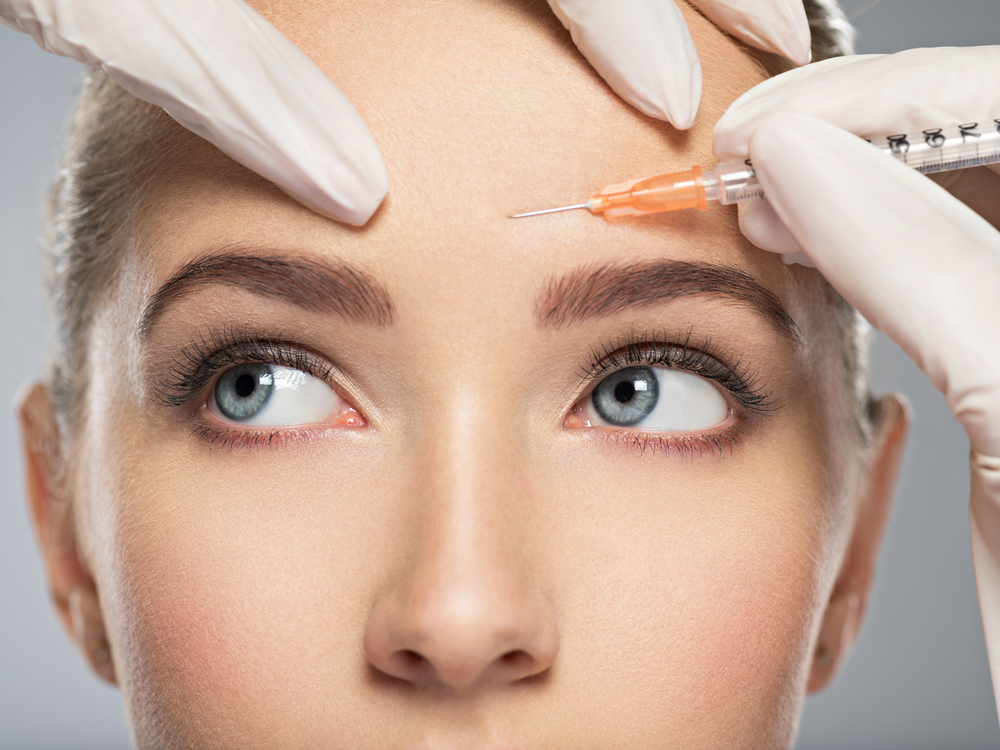
In the pursuit of youthful skin, Botox has emerged as a favored solution for managing forehead wrinkles. As a non-surgical procedure, it offers a convenient and effective way to reduce the appearance of lines and creases that form over time. Understanding the nuances of Botox treatment can help individuals make informed decisions about incorporating it into their skincare regimen.
What is Botox?
Botox, derived from the bacterium Clostridium botulinum, is a neurotoxic protein used in small, controlled amounts to reduce wrinkles. It works by temporarily paralyzing muscles, thereby smoothing out the skin’s surface. This injectable treatment has become a staple in cosmetic procedures due to its efficacy and minimal downtime.
How Botox Works on Forehead Wrinkles
Forehead wrinkles are often caused by repetitive facial expressions and the natural aging process. Botox targets these dynamic wrinkles by:
- Blocking nerve signals to the muscles.
- Relaxing the muscles that cause creases.
- Smoothing the skin for a rejuvenated appearance.
To learn about tailored solutions for managing forehead wrinkles, discover expert strategies here.
Benefits of Botox for Forehead Wrinkles
Opting for Botox offers numerous advantages, including:
- Non-invasive procedure with minimal downtime.
- Quick treatment sessions, often completed within 15-30 minutes.
- Visible results within days, lasting up to four months.
- Customizable treatment plans to suit individual needs.
To explore advanced guides and tips on Botox, find out more about this approach.
Considerations Before Getting Botox
While Botox is generally safe, certain factors should be considered:
- Consultation with a qualified practitioner is essential.
- Discuss any medical conditions or allergies.
- Understand potential side effects, such as minor bruising or swelling.
- Assess whether Botox aligns with personal aesthetic goals.
For more information on Botox and its suitability, learn about our tailored solutions.
Post-Treatment Care
Proper post-treatment care enhances the effectiveness of Botox:
- Avoid rubbing or massaging the treated area for at least 24 hours.
- Refrain from strenuous exercise immediately after the procedure.
- Stay upright for a few hours post-treatment to prevent spread of the toxin.
- Follow any specific aftercare instructions provided by the practitioner.
For comprehensive advice on post-treatment care, explore advanced guides and tips.
Conclusion
Botox remains an effective option for those seeking to diminish forehead wrinkles and achieve a more youthful appearance. With proper guidance and care, individuals can enjoy the benefits of smoother skin and renewed confidence. For a deeper understanding of Botox and its applications, find out more about this approach.