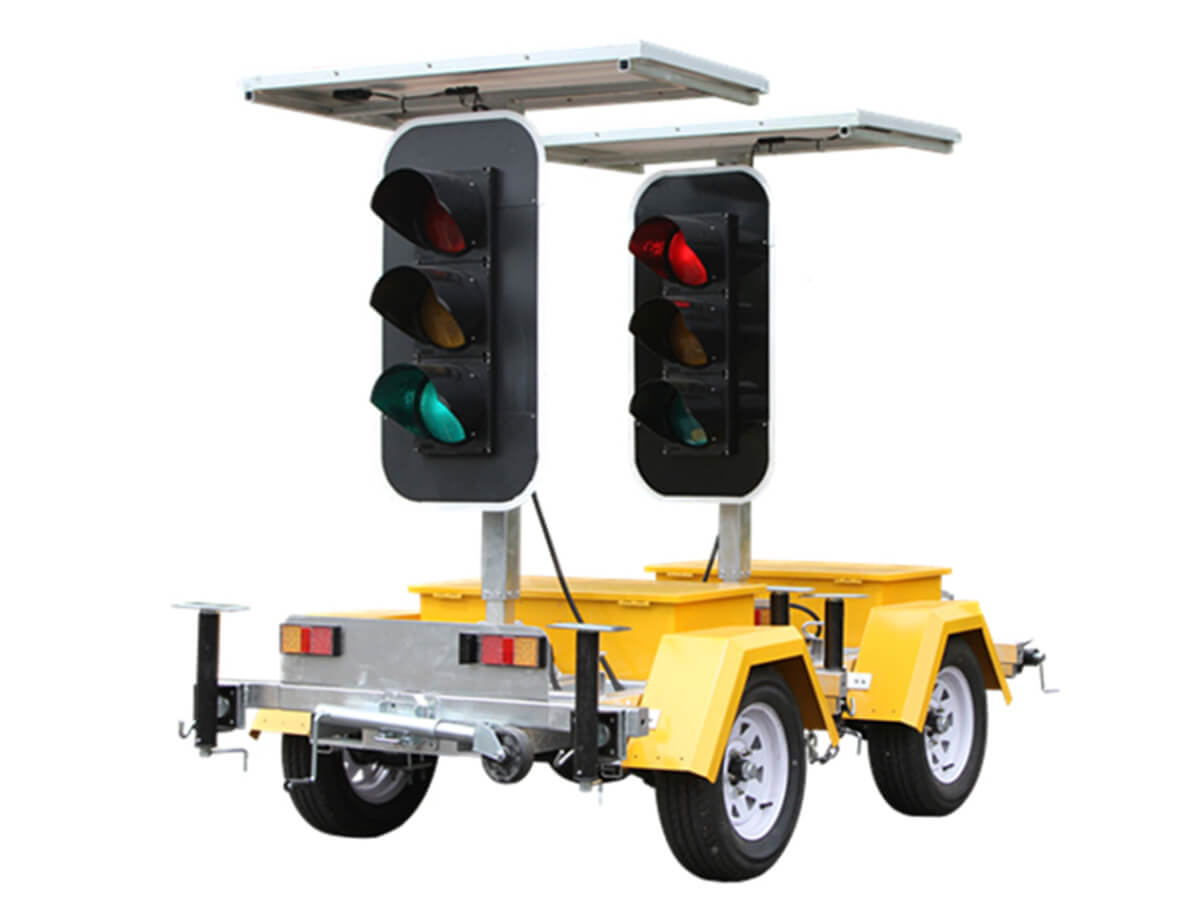
In today’s fast-paced world, ensuring road safety during construction or maintenance activities is paramount. One of the most effective tools for managing traffic flow during such interventions is the use of portable traffic signal lights. These versatile systems offer a myriad of benefits for temporary roadwork, ensuring safety, efficiency, and regulatory compliance. From managing vehicular movement to minimizing human error, portable traffic signal lights are indispensable in modern urban planning.
Enhanced Safety and Efficiency
The primary advantage of using portable traffic signal lights is the enhanced safety they provide. By replacing manual flagging with automated systems, the risk of accidents and miscommunications is significantly reduced. These systems are designed to:
- Ensure clear and consistent communication of traffic directions.
- Reduce human intervention, thereby minimizing the potential for human error.
- Enhance visibility with bright, LED lights, ensuring they are visible even in adverse weather conditions.
The efficiency of traffic flow is also improved, as the signals can be programmed to adjust timings based on real-time traffic conditions, reducing congestion and improving the overall experience for road users.
Cost-Effective Solution for Roadwork
Deploying temporary traffic signal systems is not only a safety measure but also a cost-effective solution for managing traffic during roadworks. The benefits include:
- Reduced need for extensive manual labor, leading to a decrease in operational costs.
- Minimized disruption to traffic, thereby reducing potential revenue loss for businesses affected by roadworks.
- Scalability, as these systems can be easily relocated and reused across different sites.
These factors contribute to a more efficient allocation of resources and a better return on investment for infrastructure projects.
Flexibility and Ease of Deployment
One of the most significant advantages of temporary traffic lights is their flexibility. These systems are designed for quick and easy deployment, making them ideal for a wide range of scenarios, including:
- Short-term construction projects, where permanent signals are unnecessary.
- Emergency roadworks, where rapid deployment is crucial.
- Events and public gatherings requiring temporary traffic management solutions.
The portability of these systems means they can be set up and dismantled with minimal effort, ensuring that traffic management can be adapted to changing conditions swiftly.
Advanced Technology Integration
Modern portable traffic signal lights are equipped with advanced technology that enhances their functionality. Key technological features include:
- Wireless connectivity for remote monitoring and adjustments.
- Solar power options, reducing the need for external power sources and enhancing sustainability.
- Programmable settings that allow for customization based on specific traffic needs.
These technological advancements not only improve the performance of the traffic signals but also align with global sustainability goals by reducing carbon footprints.
Conclusion
The implementation of portable traffic signal systems is a testament to the strides being made in traffic management and road safety. Their ability to provide a reliable, cost-effective, and flexible solution for temporary roadwork makes them a crucial component in modern infrastructure projects. As urban areas continue to grow, the adoption of such innovative systems will undoubtedly play a pivotal role in ensuring safe and efficient traffic flow, benefiting both road users and project stakeholders alike.